
Kitchen remodeling remains one of the most popular home improvement projects in 2026, but understanding what you'll actually spend can feel overwhelming. The average kitchen reno cost varies dramatically based on scope, materials, labor rates, and regional factors. Whether you're planning a simple cabinet refresh or a complete layout transformation, knowing where your dollars go and which investments deliver the best return helps you make informed decisions that align with your budget and goals.
Understanding Kitchen Renovation Cost Ranges
The average kitchen reno cost in the United States typically falls between $15,000 and $75,000, though both lower and higher budgets are common depending on project scope. According to industry research on renovation spending trends, homeowners increasingly approach kitchen projects with clearer budget expectations, driven by better access to cost information and planning tools.
Budget-tier renovations ($10,000-$25,000) focus on surface-level improvements:
- Painting or refacing existing cabinets
- Updating hardware and fixtures
- Installing affordable laminate countertops
- Replacing one or two appliances
- New flooring in budget-friendly materials
Mid-range projects ($25,000-$60,000) represent the sweet spot for most homeowners:
- Semi-custom or stock cabinetry replacement
- Granite or quartz countertops
- Mid-grade stainless steel appliances
- Tile backsplash installation
- Lighting upgrades and new fixtures
- Minor layout adjustments
High-end remodels ($60,000-$150,000+) deliver premium finishes and major transformations:
- Custom cabinetry with specialized storage
- Luxury stone countertops and waterfall edges
- Professional-grade appliances
- Structural changes and layout redesign
- Smart home integration and advanced lighting
- Premium flooring materials
Regional factors significantly influence these ranges. In Pittsburgh and surrounding areas like Fox Chapel and Shadyside, the average kitchen reno cost typically runs 5-10% below national averages due to competitive labor markets and lower material logistics costs.
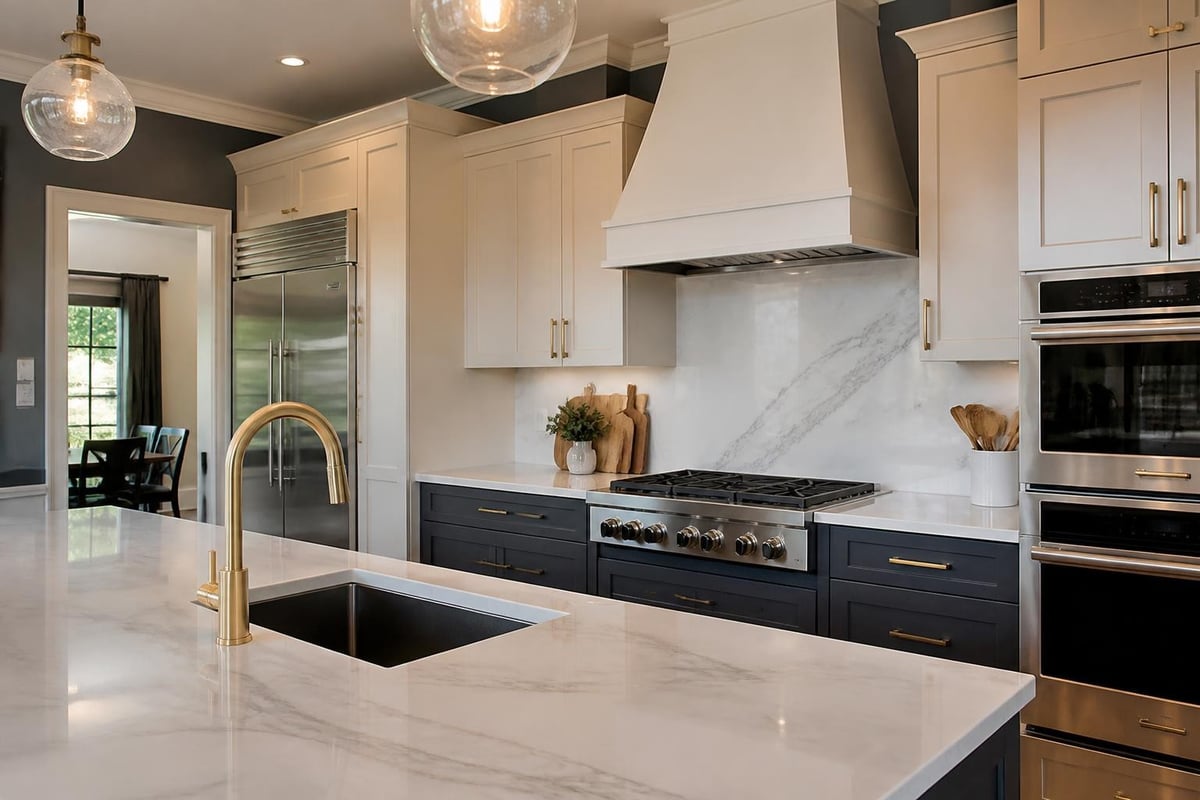
Major Cost Drivers in Kitchen Remodeling
Cabinetry and Storage Solutions
Cabinets consistently consume the largest portion of any kitchen budget, typically accounting for 30-40% of total project costs. Stock cabinets from big-box retailers start around $75-$150 per linear foot installed, while semi-custom options range from $150-$350 per linear foot. Custom cabinetry easily exceeds $500-$1,200 per linear foot for specialized designs, exotic woods, or intricate details.
The 2026 Kitchen Trends report from NKBA shows growing demand for specialized storage features like pull-out organizers, appliance garages, and integrated charging stations, which add $200-$800 per cabinet to base costs.
| Cabinet Type | Price Per Linear Foot | Typical Lead Time |
|---|---|---|
| Stock (RTA) | $75-$150 | 1-2 weeks |
| Semi-Custom | $150-$350 | 4-8 weeks |
| Custom | $500-$1,200+ | 8-16 weeks |
Countertops and Backsplash
Countertop selection dramatically impacts the average kitchen reno cost. Laminate remains the most budget-friendly choice at $20-$50 per square foot installed, while granite typically runs $60-$100 per square foot. Quartz has become increasingly popular, ranging from $70-$150 per square foot for mid-grade options. Exotic stones, large-format slabs, or specialized fabrication can push costs to $200-$400 per square foot.
Backsplash installation adds $800-$3,000 depending on materials. Ceramic or porcelain tile starts around $15-$30 per square foot installed, while glass, natural stone, or designer tiles can reach $50-$100 per square foot. Full-height backsplashes behind ranges or extending to the ceiling add both visual impact and cost.
Appliances and Fixtures
Appliance packages create another major expense category. Entry-level packages with refrigerator, range, microwave, and dishwasher start around $2,500-$4,000. Mid-range stainless steel sets from reputable manufacturers run $5,000-$10,000. Professional-grade or luxury brands easily exceed $15,000-$35,000 for complete packages.
Sink and faucet combinations range from $300-$800 for basic stainless or composite options to $1,500-$4,000 for farmhouse-style or designer fixtures. Research from the National Association of REALTORS indicates that appliance quality and brand recognition significantly influence buyer perception during home sales, making mid-range to upper-mid selections attractive for resale consideration.
Labor and Installation Expenses
Professional installation accounts for 20-35% of the average kitchen reno cost, varying by project complexity and regional labor rates. General contractors typically charge 15-25% of material costs as their markup, while specialized trades bill hourly or per-job rates. For a full overview of planning and hiring for kitchen remodeling in Pittsburgh, see our Pittsburgh homeowner guide.
Common labor costs in 2026:
- Cabinet installation: $1,500-$4,000
- Countertop fabrication and installation: $800-$2,500
- Plumbing modifications: $1,000-$4,000
- Electrical work and lighting: $1,500-$5,000
- Flooring installation: $800-$3,000
- Painting and finishing: $600-$2,000
Pittsburgh-area homeowners benefit from competitive contractor pricing and experienced tradespeople familiar with the unique challenges of older homes in neighborhoods like Lawrenceville and Bloomfield. Working with a licensed contractor who offers kitchen remodeling in Pittsburgh, PA ensures proper permitting, code compliance, and coordinated scheduling across multiple trades.
Structural changes significantly increase labor costs. Moving plumbing or gas lines, relocating electrical panels, removing walls, or addressing foundation issues can add $5,000-$20,000 to base labor estimates. Homes built before 1978 may require lead-safe work practices, adding 10-20% to labor costs in affected areas.
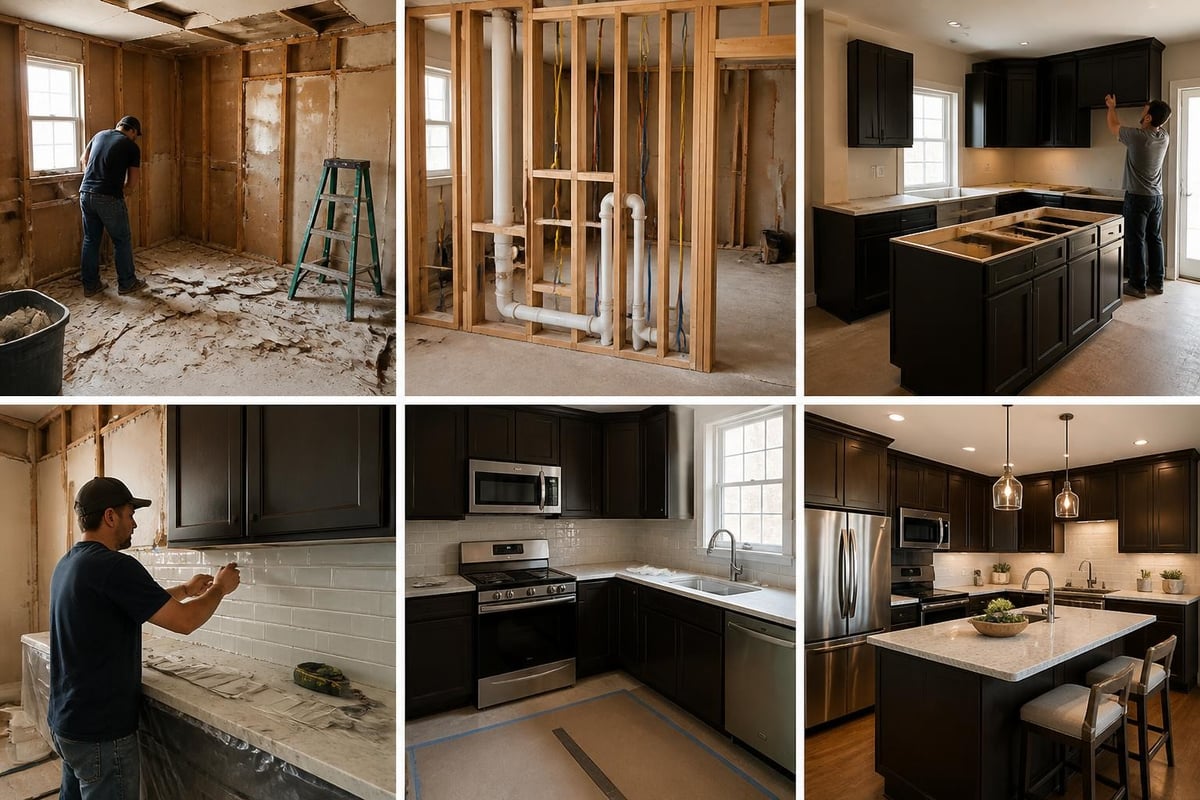
Hidden Costs and Budget Contingencies
The average kitchen reno cost often exceeds initial estimates due to unexpected expenses discovered during construction. Industry professionals recommend building 15-20% contingency into your budget for unforeseen issues.
Common hidden costs include:
- Structural repairs: Water damage, rot, or code violations revealed during demolition ($1,000-$8,000)
- Permit fees and inspections: Building permits, electrical permits, plumbing permits ($300-$1,500)
- Disposal and debris removal: Dumpster rental and hauling fees ($400-$1,200)
- Temporary kitchen setup: Costs for maintaining food preparation during construction ($200-$600)
- Design and planning: Architect or designer fees if using professional services ($1,500-$5,000)
Consumer Reports guidance on budget management emphasizes the importance of prioritizing must-haves over nice-to-haves, particularly when working within fixed budgets. Homeowners who create detailed wish lists and rank items by importance make better trade-off decisions when facing budget pressures.
Storage solutions for displaced items during renovation, cleaning services after construction, and temporary housing for major whole-home projects add soft costs that many homeowners initially overlook. Pittsburgh residents undertaking extensive renovations sometimes stay with family or rent short-term accommodations when kitchen work overlaps with other major home improvements.
Cost Comparison by Project Scope
Minor Kitchen Refresh ($8,000-$20,000)
Minor updates deliver noticeable improvements without major demolition or layout changes. This scope works well for homeowners planning to sell within a few years or those updating functional but dated kitchens.
Typical inclusions:
- Cabinet painting or refacing
- New hardware and fixtures
- Laminate or butcher-block countertops
- Updated lighting
- Fresh paint and minor repairs
- One or two appliance replacements
These projects typically complete within 2-3 weeks and cause minimal household disruption. According to Zonda’s Cost vs. Value analysis, minor kitchen remodels recover approximately 70-85% of costs at resale in many markets.
Major Kitchen Remodel ($35,000-$75,000)
Major remodels replace most or all elements while maintaining existing layouts. This represents the average kitchen reno cost range for comprehensive updates without structural changes.
Projects include new semi-custom or stock cabinets, granite or quartz countertops, complete appliance packages, new flooring, updated plumbing fixtures, improved lighting, and fresh backsplash. Timelines run 6-10 weeks depending on material availability and contractor scheduling.
For homeowners in areas like Murrysville or Monroeville seeking modern functionality in established homes, major kitchen renovations balance investment with practical improvements that serve families for 15-20 years.
Upscale Kitchen Renovation ($75,000-$150,000+)
Upscale renovations often involve layout modifications, custom cabinetry, premium stone countertops, professional appliances, and architectural details like coffered ceilings or custom range hoods. These projects require 10-16 weeks and extensive coordination.
| Project Scope | Average Cost | Timeline | ROI at Resale |
|---|---|---|---|
| Minor Refresh | $8,000-$20,000 | 2-3 weeks | 75-85% |
| Major Remodel | $35,000-$75,000 | 6-10 weeks | 65-75% |
| Upscale Renovation | $75,000-$150,000+ | 10-16+ weeks | 55-70% |
Regional Variations in Kitchen Renovation Costs
Geographic location significantly influences the average kitchen reno cost through labor rates, material availability, permitting requirements, and local building codes. Metropolitan areas with higher costs of living typically see 20-40% higher renovation costs compared to smaller markets.
Pittsburgh and surrounding communities benefit from moderate construction costs relative to coastal cities. Labor rates for skilled carpenters, electricians, and plumbers run 15-25% below Northeast corridor averages while maintaining high quality standards. Material costs remain competitive due to proximity to regional suppliers and manufacturing centers.
Neighborhoods with older housing stock, like Highland Park or Penn Hills, may require additional work to bring kitchens up to current electrical and plumbing codes. Homes built before 1950 often need panel upgrades, new circuits, or water line replacements that add $2,000-$8,000 to baseline estimates.
Local permit requirements also impact total costs. Pittsburgh building permits for kitchen remodels typically run $200-$600 depending on scope, with additional fees for electrical and plumbing work. Inspections ensure safety and code compliance but add time to project schedules.
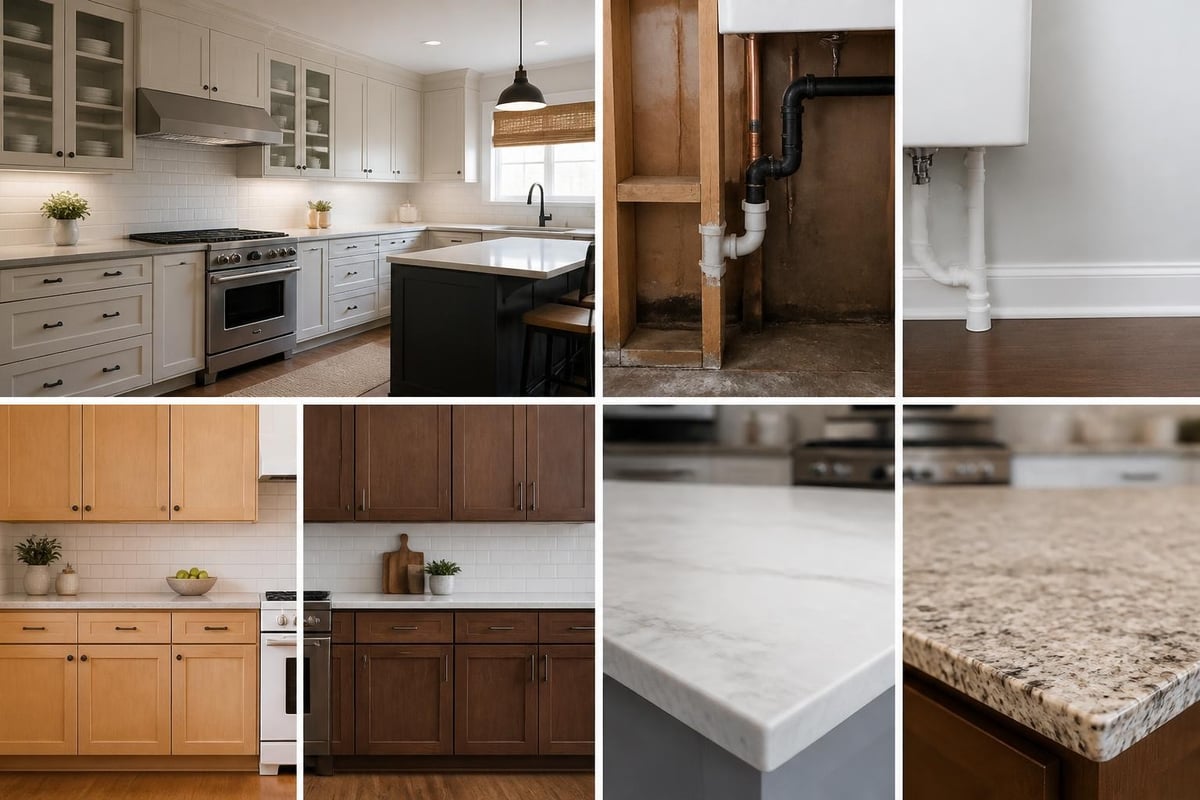
Maximizing Value Within Your Budget
Strategic planning helps stretch kitchen renovation budgets while maintaining quality and achieving desired outcomes. Understanding where to invest and where to save creates the most satisfying results for available funds.
High-Impact Investments
Certain upgrades deliver outsized returns in daily enjoyment and resale value:
- Quality cabinets with timeless design: Avoid trendy colors or styles that date quickly
- Durable countertops in neutral tones: Quartz or granite withstands daily use better than cheaper alternatives
- Proper lighting design: Layered lighting with task, ambient, and accent sources transforms functionality
- Storage optimization: Well-planned cabinet interiors and pantry systems improve everyday efficiency
Zillow’s research on kitchen remodel ROI shows that updated kitchens in the $35,000-$60,000 range generate strong buyer interest without over-improving for neighborhood values.
Smart Cost-Saving Strategies
Homeowners can reduce the average kitchen reno cost without sacrificing quality through thoughtful decisions:
- Preserve existing layout: Keeping plumbing and gas lines in current locations saves $3,000-$10,000
- Mix price points: Combine splurges on visible elements with budget choices on hidden items
- Choose stock or semi-custom cabinets: Custom cabinetry costs 2-3x more with marginal functional gains
- Install pre-fabricated countertops: Standard sizes eliminate custom fabrication fees
- DIY demolition and finishing: Handle tearout and painting yourself to reduce labor costs by $2,000-$4,000
Phased approaches allow homeowners to spread costs over time. Completing cabinets and countertops in year one, then adding appliances and flooring in year two, makes large budgets more manageable while living in a partially updated space.
Planning Your Kitchen Renovation Budget
Creating realistic budgets requires thorough planning and honest assessment of priorities. Start by determining total available funds, including savings, home equity lines, or renovation loans. Allocate funds according to personal priorities rather than standard percentages.
Recommended budget allocation framework:
- Design and planning: 5-10% (contractor consultations, drawings, permits)
- Cabinets and storage: 30-40% (largest single expense category)
- Countertops and backsplash: 10-20% (visible surfaces with daily impact)
- Appliances: 10-20% (functionality and long-term operating costs)
- Labor and installation: 20-25% (professional expertise and project management)
- Fixtures, hardware, finishing: 5-10% (details that complete the look)
- Contingency: 10-15% (buffer for unexpected issues)
Research multiple contractors and request detailed written estimates that break down costs by category. Compare line items carefully rather than focusing solely on bottom-line totals. Lower bids may exclude important elements or assume homeowner-supplied materials.
Pittsburgh homeowners benefit from free in-home consultations and detailed estimates that clarify exactly what's included in quoted prices. Transparent pricing and clear communication prevent the budget creep that derails many renovation projects.
Financing Kitchen Renovations
Understanding the average kitchen reno cost helps homeowners choose appropriate financing strategies. Most families fund kitchen projects through a combination of savings and borrowed funds.
Common financing options:
- Cash/savings: No interest costs but depletes emergency reserves
- Home equity line of credit (HELOC): Variable rates, flexible draws, interest-only payments during draw period
- Home equity loan: Fixed rates, lump-sum disbursement, predictable monthly payments
- Personal loans: No home equity required, higher rates, faster approval
- Contractor financing: Convenient but often carries higher interest rates
- Credit cards: Should be limited to small purchases or used strategically for rewards
Compare total borrowing costs including interest, fees, and repayment terms. A $50,000 kitchen financed through a HELOC at 7% over 10 years costs roughly $8,000 in interest, while the same amount on a personal loan at 11% costs approximately $14,000 in interest.
Tax implications also matter. Interest on home equity borrowing may be tax-deductible if used for substantial home improvements, though tax laws change and individual situations vary. Consult tax professionals about specific circumstances.
Timeline Considerations and Cost Management
Project duration directly impacts both direct costs and inconvenience factors. Longer timelines increase carrying costs for temporary kitchen setups and contractor overhead, while rushed schedules may force premium payments for expedited materials or overtime labor.
Typical kitchen renovation timelines by scope:
- Minor refresh (cosmetic updates): 2-3 weeks
- Standard remodel (cabinet and counter replacement): 6-8 weeks
- Major renovation (layout changes, structural work): 10-14 weeks
- Luxury custom project (extensive customization): 14-20+ weeks
Material lead times create the primary scheduling bottleneck in 2026. Custom cabinets require 8-16 weeks from order to delivery, while some appliance models face 4-12 week backlogs. Stone countertops need 2-4 weeks for fabrication after template creation. Planning around these timelines prevents costly delays or compromises on preferred products.
Seasonal timing affects both costs and availability. Spring and summer represent peak renovation seasons with fuller contractor schedules and potentially higher rates. Fall and winter often bring more availability and negotiating leverage, though holiday periods create scheduling complications.
Kitchen renovations represent significant investments that should align with your home's value, your family's needs, and your long-term plans. Understanding the average kitchen reno cost and the factors that drive pricing helps you make confident decisions about scope, materials, and timing. Whether you're planning a budget refresh or a comprehensive transformation in Pittsburgh or surrounding areas like Edgewood or Fox Chapel, working with experienced professionals ensures your investment delivers lasting value and satisfaction. L&C Builders offers free in-home design consultations and detailed 3D renderings so you can see exactly what your kitchen will look like before construction begins, backed by our 100% satisfaction guarantee.


