
Finding the right basement remodeling contractors near me can transform an underused space into a functional, valuable part of your home. Whether you're creating a family room, home office, guest suite, or entertainment area, choosing a qualified contractor determines the success of your project. This guide walks you through every step of the selection process, from initial research to final selection, so you can hire with confidence and avoid costly mistakes.
Why Basement Remodeling Requires Specialized Expertise
Basement renovations present unique challenges that differ significantly from above-grade remodeling projects. These spaces require contractors with specific knowledge and experience to deliver safe, comfortable results.
Understanding Below-Grade Construction Challenges
Basements face moisture issues, limited natural light, lower ceiling heights, and potential radon exposure. A qualified contractor must address these factors through proper waterproofing, drainage systems, and moisture control techniques recommended by the EPA.
Key basement-specific concerns include:
- Water infiltration and humidity control
- Adequate insulation and thermal barriers
- Egress requirements for bedroom spaces
- Radon testing and mitigation systems
- Building code compliance for finished living spaces
Professional basement remodeling contractors near me should evaluate these elements during initial consultations and propose solutions tailored to your specific conditions.
The Importance of Proper Insulation and Energy Efficiency
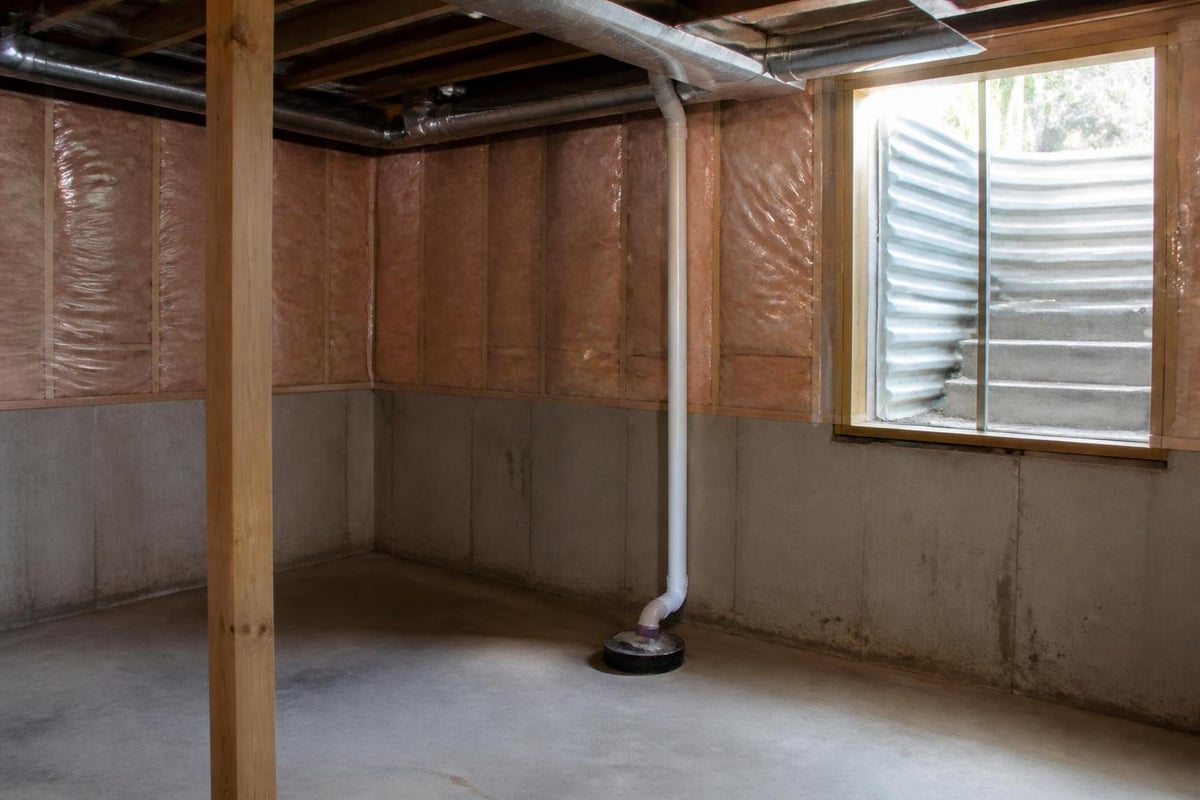
Finishing a basement without proper insulation creates uncomfortable temperatures and high energy bills. ENERGY STAR guidance on basement insulation emphasizes the critical role of air sealing and thermal barriers in below-grade spaces.
Experienced contractors know which insulation types work best in basement environments. They understand vapor barriers, moisture-resistant materials, and the importance of maintaining proper clearances from foundation walls.
How to Find Qualified Basement Remodeling Contractors Near Me
Your search strategy determines the quality of contractors you'll interview. Multiple approaches help you build a comprehensive list of candidates.
Local Research Methods That Work
Start with these proven research channels:
- Personal referrals from neighbors and friends who completed similar projects
- Online reviews on Google, Yelp, and Houzz with detailed project photos
- Local building supply stores that recommend contractors they trust
- Neighborhood social media groups where residents share experiences
- Professional associations like the National Association of Home Builders
When searching for basement remodeling contractors near me online, look beyond the first page of results. Check multiple review platforms to get a balanced perspective on each contractor's reputation.
Evaluating Online Presence and Portfolio Quality
A contractor's website and portfolio reveal their professionalism and expertise. Look for detailed project galleries showing basement-specific work, not just general remodeling photos.
| Evaluation Factor | What to Look For | Red Flags |
|---|---|---|
| Portfolio Quality | Multiple finished basements with before/after photos | Generic stock images or limited examples |
| Project Details | Specific descriptions of challenges and solutions | Vague descriptions without technical details |
| Website Content | Educational resources and process explanations | Sales-heavy copy without useful information |
| Contact Information | Physical address, phone, license numbers | Only web forms or missing credentials |
Contractors who specialize in home additions and conversions often have extensive basement remodeling experience, since these projects involve similar structural and systems work. Pittsburgh homeowners weighing a finished lower level can review our basement remodel guide for planning, permits, and costs.
Essential Questions to Ask During Contractor Interviews
Thorough interviews separate qualified professionals from inexperienced or unreliable contractors. Prepare these questions before meeting candidates.
Licensing, Insurance, and Business Credentials
Every contractor you consider should provide proof of proper licensing and insurance. Ask directly about:
- State contractor license number and verification
- General liability insurance with adequate coverage limits
- Workers' compensation insurance for all employees
- Bond status if required in your jurisdiction
Request copies of insurance certificates and verify licenses through your state's licensing board. This simple step protects you from significant liability if accidents occur during construction.
Experience with Basement-Specific Challenges
Not all basement remodeling contractors near me have equal expertise with below-grade construction. Ask about their experience with:
Technical expertise areas:
- Waterproofing systems they've installed
- Radon testing and mitigation projects completed
- Egress window installations for code compliance
- Structural modifications and beam installations
- HVAC and electrical system extensions
Request references from clients with similar basement conditions. A contractor who handled a flooding-prone basement successfully demonstrates problem-solving skills you can trust.
Project Timeline and Communication Practices
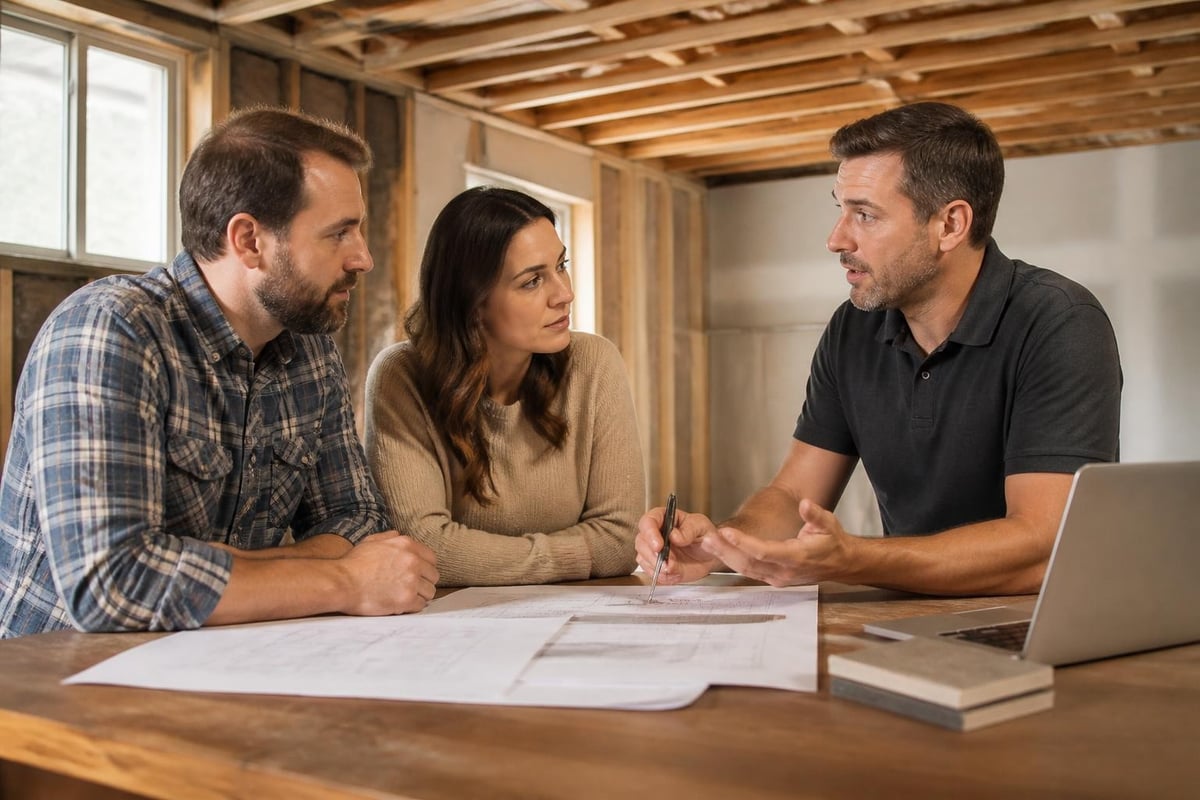
Understanding how contractors manage projects prevents frustration during construction. Discuss their typical timeline, scheduling practices, and communication methods.
Ask how they handle delays, change orders, and unexpected discoveries during demolition. The best contractors maintain regular communication and provide realistic schedules with buffer time for complications.
Understanding Basement Remodeling Costs and Budgeting
Basement renovation costs vary widely based on project scope, materials, and existing conditions. Informed budgeting prevents financial surprises midway through construction.
Factors That Impact Total Project Cost
Multiple variables influence the final price of basement remodeling:
- Square footage being finished
- Existing conditions requiring remediation
- Ceiling height and structural modifications needed
- Bathroom or kitchen additions with plumbing runs
- Flooring materials and finish quality
- Electrical and HVAC upgrades required
According to Consumer Reports guidance on basement materials, choosing appropriate insulation and flooring for below-grade spaces significantly affects both upfront costs and long-term value.
Getting Accurate, Detailed Estimates
Request itemized estimates from at least three basement remodeling contractors near me. Detailed quotes should break down costs by category:
| Cost Category | Typical Range | What's Included |
|---|---|---|
| Structural Work | 15-25% of total | Framing, ceiling work, support beams |
| Systems | 20-30% of total | Electrical, plumbing, HVAC extensions |
| Moisture Control | 10-20% of total | Waterproofing, drainage, dehumidification |
| Finishes | 30-40% of total | Drywall, flooring, trim, paint, fixtures |
| Permits & Fees | 5-10% of total | Building permits, inspections, disposal |
Beware of estimates significantly lower than others. Rock-bottom bids often indicate cut corners, unlicensed work, or future change orders that inflate final costs.
Verifying Credentials and Checking References
Documentation and verification protect you from hiring unqualified or dishonest contractors. Take time to thoroughly check credentials before signing contracts.
How to Verify Contractor Licenses Online
Most states maintain online databases where you can verify contractor licenses. Search for your state's licensing board and enter the license number provided by each contractor.
Check for:
- Active status without suspensions or restrictions
- Proper classifications for residential remodeling work
- Complaint history and disciplinary actions
- Bond status and expiration dates
Never hire basement remodeling contractors near me who refuse to provide license numbers or whose licenses show expired or suspended status.
Conducting Thorough Reference Checks
Ask each contractor for at least three recent references with basement projects similar to yours. When calling references, ask specific questions:
Effective reference questions:
- Did the project stay within the original budget and timeline?
- How did the contractor handle unexpected problems?
- Was the job site kept clean and organized?
- Were workers professional and respectful?
- Would you hire this contractor again?
Visit completed projects if possible. Seeing finished work firsthand reveals quality details that photos don't capture. For contractors serving the Pittsburgh area, you might request references in neighborhoods like Lawrenceville, Shadyside, or Fox Chapel.
Understanding Contracts and Protecting Your Investment
A comprehensive written contract protects both you and your contractor. Never begin work with verbal agreements or incomplete documentation.
Critical Contract Elements
Every basement remodeling contract should include:
- Detailed scope of work with specifications for all materials
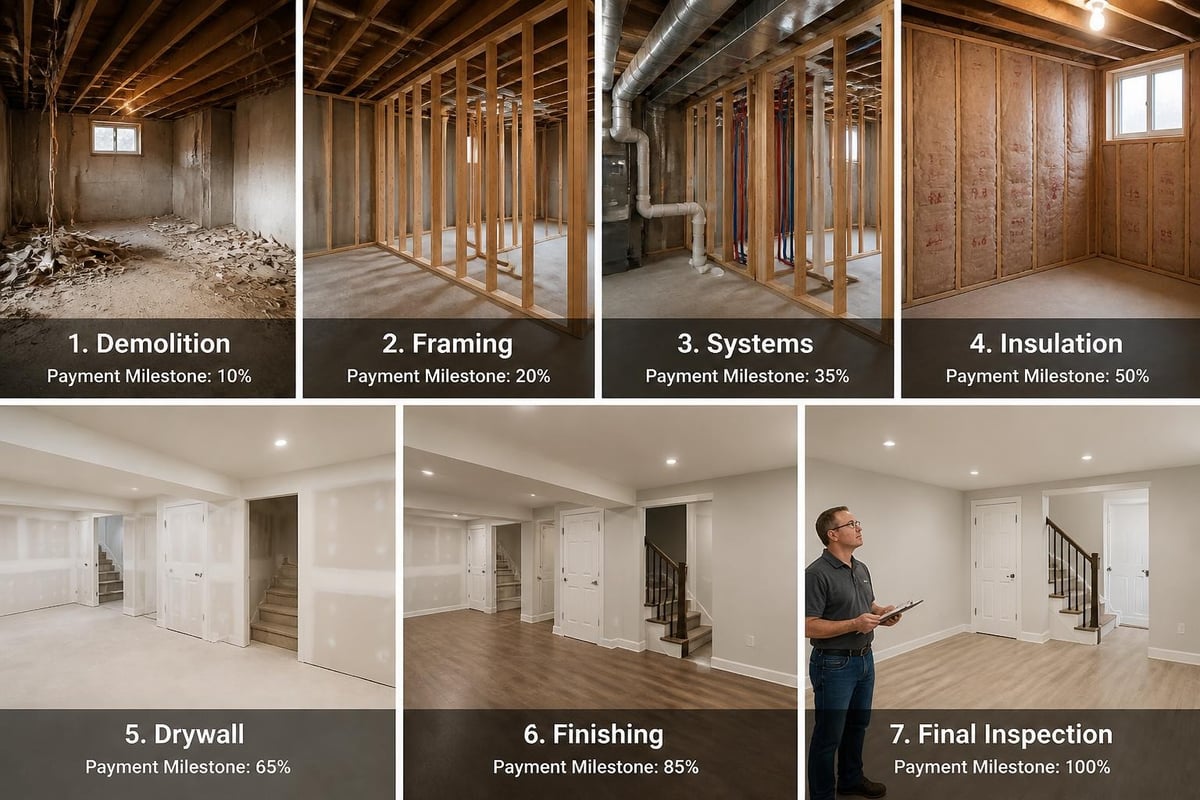
- Total project cost with payment schedule tied to milestones
- Start and completion dates with provisions for delays
- Change order procedures with written approval requirements
- Warranty information for labor and materials
- Lien waiver process protecting you from subcontractor claims
- Cleanup and disposal responsibilities
Read contracts thoroughly before signing. Don't hesitate to request clarifications or modifications to unclear terms.
Payment Schedules That Protect You
Never pay the full amount upfront. Industry-standard payment schedules typically follow this structure:
| Payment Stage | Percentage | Trigger Point |
|---|---|---|
| Deposit | 10-20% | Contract signing |
| First Draw | 25-30% | Materials delivered, framing complete |
| Second Draw | 25-30% | Rough-in inspections passed |
| Third Draw | 20-25% | Drywall, flooring, major finishes complete |
| Final Payment | 10-15% | Punch list complete, final inspection passed |
Withhold final payment until you've verified all work meets contract specifications and obtained final inspection approvals from your local building department.
Design Considerations and Planning Your Basement Space
Thoughtful planning maximizes your basement's potential and prevents costly redesigns during construction. Work with your contractor to develop functional, code-compliant layouts.
Creating Functional Layouts for Below-Grade Spaces
Basement layouts require different strategies than above-grade rooms. Consider these planning priorities:
Layout optimization strategies:
- Position bedrooms near egress windows for code compliance
- Locate bathrooms near existing plumbing stacks when possible
- Design open concepts to maximize natural light distribution
- Plan storage zones around mechanicals and low-headroom areas
- Consider future flexibility with multi-purpose spaces
Experienced basement remodeling contractors near me can suggest layouts that work with your home's existing structure while meeting your functional needs.
Addressing Light and Ventilation
Limited natural light presents one of the biggest basement challenges. Combat darkness through:
- Enlarged window wells with egress windows
- Light-colored finishes that reflect available light
- Strategic artificial lighting with layered sources
- Open floor plans that allow light to penetrate deeper
- Glass-panel doors between spaces
Proper ventilation prevents musty odors and maintains healthy indoor air quality. Your contractor should integrate adequate return air paths and possibly supplemental ventilation systems.
Safety and Code Compliance in Basement Remodeling
Building codes exist to protect occupants. Cutting corners on safety requirements creates liability and reduces your home's value.
Radon Testing and Mitigation
Basements in many regions face elevated radon levels, a serious health hazard. The EPA recommends radon testing before finishing any basement space.
If tests reveal elevated radon, your contractor should install mitigation systems before proceeding. These typically include sub-slab depressurization systems that prevent radon accumulation.
Egress Requirements for Basement Bedrooms
Building codes require emergency egress from basement bedrooms. This typically means:
- Minimum window opening size (usually 5.7 square feet)
- Maximum sill height from the floor (typically 44 inches)
- Minimum opening dimensions (width and height requirements)
- Accessible window wells with ladders if needed
Contractors familiar with local codes design bedrooms that meet these requirements from the start, avoiding expensive retrofits later.
Accessibility and Aging-in-Place Features
Forward-thinking homeowners incorporate accessibility features that support long-term use by family members of all ages and abilities.
Universal Design in Basement Spaces
Basement remodeling contractors near me should understand universal design principles that make spaces accessible without looking institutional. The AARP HomeFit Guide offers practical recommendations for accessible basement features.
Accessibility features to consider:
- No-step entries from stairs with gradual transitions
- Wider doorways (36 inches minimum) for wheelchair access
- Lever-style door handles easier to operate than knobs
- Accessible bathrooms with curbless showers and grab bars
- Adequate lighting with motion sensors and minimal shadows
- Non-slip flooring throughout all spaces
These features add minimal cost when incorporated during initial construction but provide tremendous value as occupants age or if mobility challenges arise.
Managing Your Basement Remodeling Project
Active project management ensures work progresses smoothly and meets your expectations. Stay engaged throughout construction.
Maintaining Communication with Your Contractor
Establish regular check-in schedules with your contractor. Weekly site meetings allow you to:
- Review progress against the timeline
- Address questions before they become problems
- Approve material selections and finishes
- Discuss any necessary adjustments
- Maintain alignment on expectations
Document conversations about changes or decisions in writing. Email summaries after verbal discussions create a paper trail that prevents misunderstandings.
Handling Changes and Unexpected Issues
Most basement projects encounter surprises during demolition. Hidden water damage, outdated wiring, or structural concerns require adjustments to plans and budgets.
When issues arise, request written change orders that detail:
- Description of the problem discovered
- Proposed solution and why it's necessary
- Cost impact with labor and material breakdown
- Timeline adjustment if applicable
- Your written approval before work proceeds
Professional basement remodeling contractors near me present options and explain trade-offs, helping you make informed decisions about unexpected situations.
Quality Control and Final Inspections
The final phase determines whether your project truly succeeds. Thorough inspections catch issues while contractors can still address them.
Creating a Comprehensive Punch List
As work nears completion, walk through your basement with your contractor to create a punch list of remaining items. Document:
- Finish defects like paint touch-ups or trim gaps
- Functional issues with doors, windows, or fixtures
- Incomplete items from the original scope
- Cleaning requirements not yet completed
Take photos of issues and maintain a written list. Professional contractors appreciate organized feedback and complete punch lists promptly.
Building Department Final Inspections
Your municipality requires final inspections before you can legally occupy finished basement space. Your contractor should:
- Schedule all required inspections
- Accompany inspectors during walkthroughs
- Address any violations or corrections needed
- Obtain final approval documentation
Keep all inspection certificates with your home records. Future buyers will want verification that basement work was properly permitted and inspected.
Warranties, Maintenance, and Long-Term Care
Quality basement remodeling contractors near me stand behind their work with comprehensive warranties and maintenance guidance.
Understanding Contractor Warranties
Warranties should cover both workmanship and materials, though terms differ:
| Warranty Type | Typical Duration | What's Covered |
|---|---|---|
| Workmanship | 1-2 years | Installation defects, construction errors |
| Materials | Varies by product | Manufacturer defects in supplied products |
| Structural | 5-10 years | Foundation work, load-bearing modifications |
| Systems | 1 year minimum | HVAC, plumbing, electrical installations |
Request warranty information in writing before final payment. Understand the claims process and contractor response timeframes.
Basement Maintenance Best Practices
Protect your investment through regular maintenance:
Essential maintenance tasks:
- Monitor humidity levels and run dehumidifiers when needed
- Inspect for water infiltration after heavy rains
- Test sump pumps quarterly to ensure proper operation
- Change HVAC filters monthly for basement systems
- Clean egress windows and wells seasonally
- Check for cracks in floors or walls indicating settling
Your contractor should provide specific maintenance recommendations based on systems and materials installed in your basement.
Choosing the right basement remodeling contractor requires careful research, thorough vetting, and clear communication throughout your project. By verifying credentials, checking references, understanding contracts, and maintaining active involvement during construction, you'll achieve the functional, comfortable basement space you envision. If you're ready to transform your Pittsburgh-area basement into valuable living space, L&C Builders brings licensed expertise, detailed planning with free 3D renderings, and a 100% satisfaction guarantee to every project. Contact us today to schedule your free in-home consultation and discover how we can maximize your basement's potential.


