
Transforming your current house into the home you've always envisioned requires careful planning, realistic budgeting, and strategic decision-making. A dream home renovation represents one of the most significant investments you'll make, both financially and emotionally. Whether you're updating a single room or tackling a comprehensive transformation, understanding the complete renovation process helps you avoid costly mistakes and ensures the final result matches your vision.
Understanding the Scope of Your Dream Home Renovation
Before you select paint colors or tour showrooms, defining your renovation scope establishes the foundation for every decision that follows. Scope clarity prevents budget overruns and ensures your contractor can deliver accurate estimates.
Identifying Your Must-Haves Versus Nice-to-Haves
Start by creating two distinct lists: essential improvements and aspirational upgrades. Essential improvements typically address structural issues, outdated systems, or safety concerns. Aspirational upgrades enhance aesthetics, comfort, or resale value but aren't critical to your home's function.
Common essential improvements include:
- Roof repairs or replacement
- Electrical system updates
- Plumbing repairs
- Foundation work
- HVAC system replacement
Nice-to-have upgrades might include:
- Custom cabinetry
- High-end appliances
- Luxury finishes
- Smart home technology
- Specialty lighting
This distinction becomes crucial when budget constraints arise. You'll know exactly which elements to protect and which you can defer to a later phase.
Assessing Your Current Home's Potential
Walk through your home with fresh eyes, noting both limitations and opportunities. Consider how each space functions currently and how you want it to function after renovation. Pay attention to natural light, traffic flow, and structural elements that might be challenging or expensive to modify.
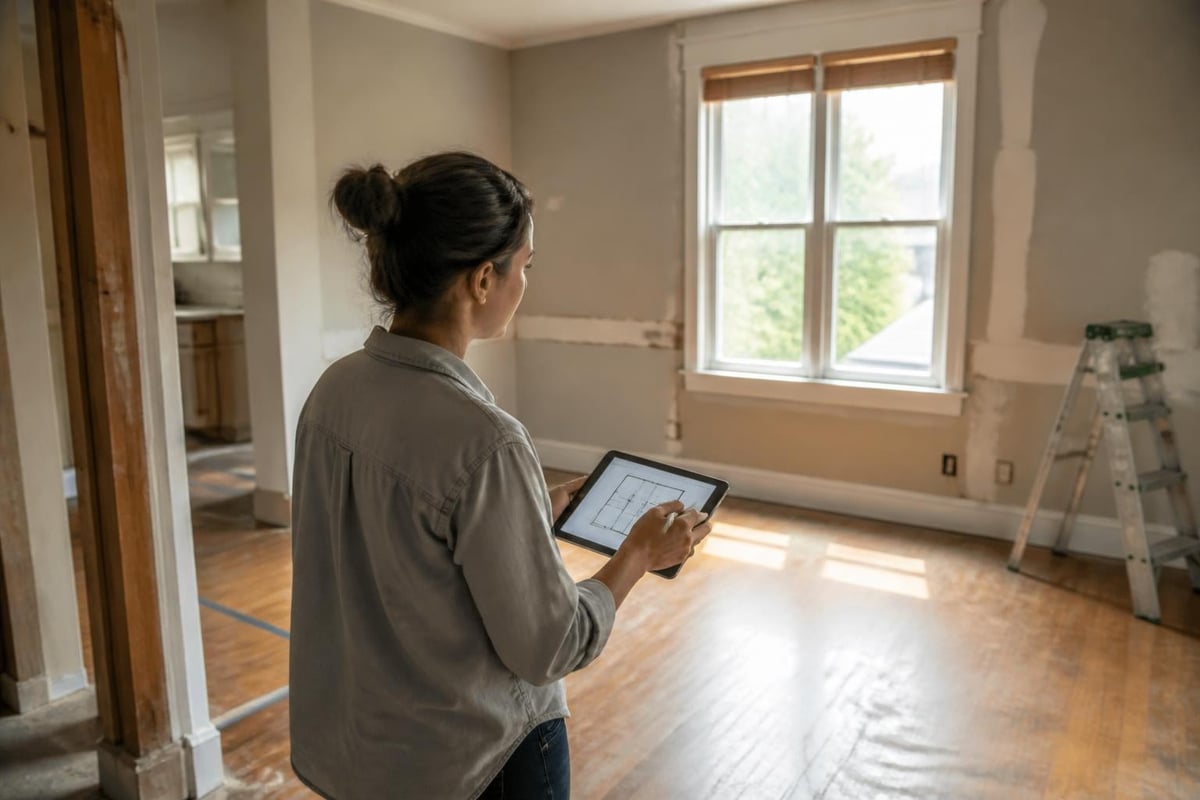
Many Pittsburgh homeowners discover that whole-home remodeling offers better value than piecemeal updates when addressing multiple outdated spaces. This comprehensive approach ensures cohesive design and avoids the disruption of multiple separate projects.
Creating a Realistic Budget and Timeline
Financial planning separates successful dream home renovation projects from those that stall midway or compromise on quality. Industry data shows renovation costs can vary significantly based on scope, materials, and regional labor rates.
Breaking Down Renovation Costs
| Cost Category | Percentage of Budget | Notes |
|---|---|---|
| Labor | 40-50% | Licensed contractors, electricians, plumbers |
| Materials | 30-40% | Cabinets, fixtures, flooring, finishes |
| Design/Permits | 5-10% | Architectural drawings, permit fees |
| Contingency | 15-20% | Unexpected issues, change orders |
Your contingency fund isn't optional. Older homes especially reveal hidden challenges once walls open: outdated wiring, plumbing issues, or structural concerns that require immediate attention.
Exploring Financing Options
Most homeowners fund major renovations through one of several methods. Cash payment offers simplicity but may not be feasible for extensive projects. Home equity loans and lines of credit typically offer favorable rates since your home secures the loan.
The FHA 203(k) rehab loan program combines purchase or refinance costs with renovation expenses into a single mortgage. This option particularly benefits homeowners buying a fixer-upper or those without significant equity.
Setting Reasonable Timeline Expectations
Dream home renovation projects rarely finish as quickly as homeowners hope. Small bathroom remodels might complete in three to four weeks, while whole-home renovations can extend six months or longer.
Timeline variables include:
- Permit approval waiting periods
- Material lead times
- Contractor scheduling
- Weather delays for exterior work
- Inspection scheduling
- Unexpected issues requiring redesign
Add buffer time to every estimate your contractor provides. A kitchen promised in eight weeks more realistically requires ten to twelve weeks when accounting for typical delays.
Selecting Design Elements That Stand the Test of Time
Trending styles feel fresh today but can date your home quickly. Balancing current interior design trends with timeless elements ensures your dream home renovation remains appealing for years.
Classic Choices Versus Trendy Updates
Invest your largest budget dollars in classic materials and layouts that won't feel outdated in five years. Save trend experimentation for easily changed elements like paint colors, light fixtures, and accessories.
Timeless investments include:
- Neutral tile in bathrooms and kitchens
- Hardwood or luxury vinyl plank flooring
- Shaker-style cabinetry
- White or light-colored kitchen cabinets
- Marble or quartz countertops
Trendy elements to approach cautiously:
- Bold tile patterns as primary surfaces
- Extremely dark or colored cabinetry
- Ultra-modern fixtures
- Highly specific color schemes
The key is creating a neutral foundation that allows personality through changeable accessories and accent elements.
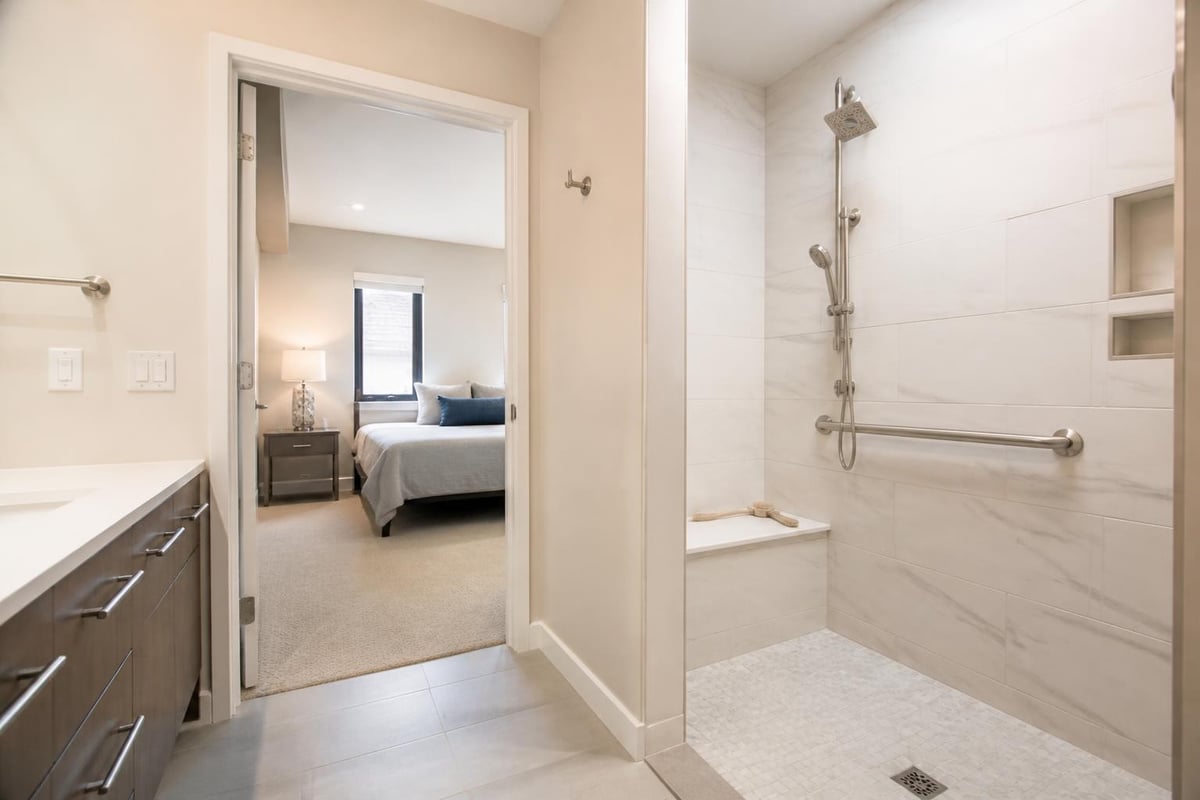
Incorporating Universal Design Principles
Aging-in-place design features benefit homeowners of all ages. These modifications improve safety and convenience without compromising aesthetics.
Universal design elements include:
- Wider doorways and hallways
- Curbless or low-threshold showers
- Lever-style door handles
- Adequate lighting with multiple switches
- Non-slip flooring materials
Many of these features integrate seamlessly into contemporary design while ensuring your dream home renovation accommodates changing needs over decades.
Finding and Vetting the Right Contractor
Your contractor relationship determines project success more than any other single factor. The right professional brings expertise, reliability, and problem-solving skills that transform stress into confidence.
Essential Contractor Qualifications
Pennsylvania requires contractors to hold appropriate licenses for their work. Verify license status, insurance coverage, and bonding before signing any contract. L&C Builders holds Pennsylvania Home Improvement Contractor License #184344, demonstrating compliance with state requirements.
Beyond licensing, evaluate contractors on:
- Relevant experience: Review portfolios showing similar project scopes
- References: Contact past clients about communication, quality, and timeline performance
- Detailed estimates: Compare line-item breakdowns, not just bottom-line numbers
- Communication style: Assess responsiveness and willingness to explain processes
- Contract completeness: Ensure agreements cover scope, timeline, payment schedule, and warranties
Questions to Ask During Contractor Interviews
| Question Category | Key Questions |
|---|---|
| Project Management | Who supervises daily work? How do you handle change orders? |
| Timeline | What's the realistic completion date? How do delays get communicated? |
| Subcontractors | Which trades do you employ versus subcontract? How long have you worked with subs? |
| Quality Control | What warranties cover workmanship? How do you handle punch-list items? |
| Communication | What's the best way to reach you? How often will we receive updates? |
The contractor who answers thoroughly, honestly, and patiently likely brings that same professionalism to their work.
Understanding Contracts and Payment Structures
Never begin work without a comprehensive written contract. Your agreement should specify every material by brand and model number, include a detailed payment schedule, and outline the change order process.
Standard payment structures typically follow project milestones: deposit at signing, payments at completion of specific phases, and final payment upon your approval. Avoid contractors demanding large upfront payments or full payment before completion.
Navigating Permits and Building Codes
Permit requirements vary by municipality and project scope. While permits might seem like bureaucratic obstacles, they protect your investment by ensuring work meets safety standards and local codes.
When Permits Are Required
Most structural changes, electrical work, plumbing modifications, and additions require permits. The building permit process typically involves submitting plans, paying fees, and scheduling inspections at specified project stages.
Common renovations requiring permits:
- Kitchen and bathroom remodels involving plumbing or electrical
- Structural wall removal or modification
- Room additions
- Basement or attic conversions
- Window or door replacements affecting structure
- HVAC system installation
Cosmetic updates like painting, flooring replacement, or cabinet refacing generally don't require permits. When uncertain, contact your local building department for clarification.
Working with Inspections
Building inspectors verify work meets code at critical project stages. Your contractor schedules these inspections and addresses any deficiencies the inspector identifies. This process protects you by ensuring all work meets minimum safety standards.
For homes built before 1978, federal lead-safe renovation requirements mandate specific procedures to prevent lead paint exposure. Contractors must follow EPA guidelines and may need special certification for renovation work in older homes.
Maximizing Energy Efficiency in Your Renovation
Energy improvements reduce utility costs while increasing comfort and home value. Modern building science offers numerous opportunities to enhance efficiency during renovation.
Strategic Upgrade Opportunities
Dream home renovation projects provide ideal timing for efficiency improvements that would be impractical as standalone projects. The ENERGY STAR home improvement guide outlines upgrades that deliver the best return on investment.
High-impact efficiency improvements:
- Air sealing before insulation installation
- Upgrading to ENERGY STAR windows and doors
- Installing high-efficiency HVAC systems
- Improving insulation in walls, attics, and basements
- Upgrading to LED lighting throughout
- Installing ENERGY STAR appliances
Many efficiency upgrades qualify for federal tax credits or local utility rebates. Research available incentives before finalizing material selections to maximize savings.
Balancing Upfront Costs with Long-Term Savings
Energy-efficient materials and systems typically cost more initially but deliver savings over years of reduced utility bills. Calculate payback periods by dividing the premium cost by annual savings.
A high-efficiency furnace might cost $2,000 more than a standard model but save $300 annually in heating costs. The payback period is approximately seven years, after which you continue enjoying savings throughout the system's lifespan.
Focusing on High-ROI Improvements
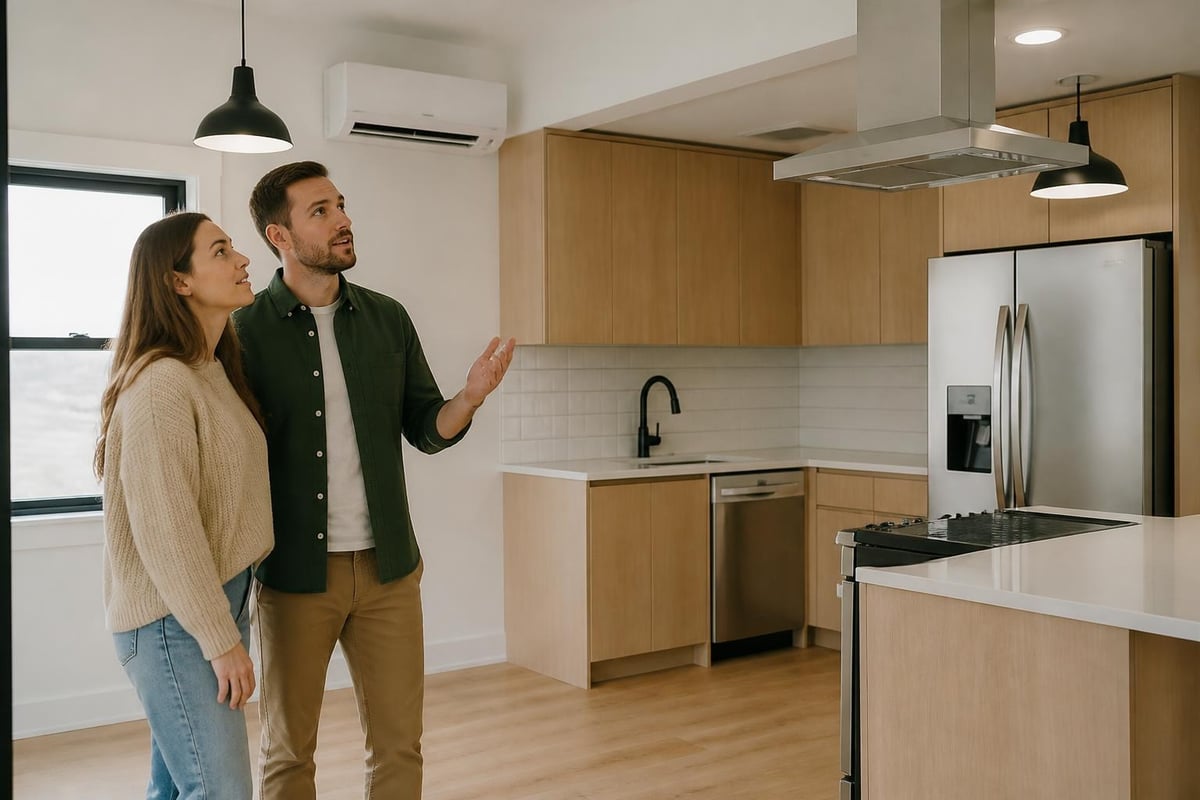
While your dream home renovation should primarily serve your needs and preferences, considering resale value helps prioritize improvements if budget constraints arise. Research from the National Association of REALTORS identifies which projects offer the best return on investment.
Projects That Add the Most Value
Not all renovation dollars return equal value at resale. Kitchen and bathroom updates consistently rank among the highest-return projects, often recouping 70-80% of costs in increased home value.
Top-performing renovation categories:
- Kitchen remodeling (especially minor updates)
- Bathroom additions or updates
- Finished basement conversions
- Functional improvements (new roof, HVAC, windows)
- Curb appeal enhancements
Luxury upgrades and highly personalized choices typically return less at resale. A $100,000 kitchen might not deliver proportionally more value than a $50,000 kitchen, even though it better suits your preferences.
Pittsburgh-Specific Considerations
Regional preferences influence which improvements deliver the best return. Pittsburgh's changing seasons make winter-ready home upgrades particularly valuable. Adequate insulation, efficient heating systems, and proper ventilation address local climate challenges while increasing comfort and reducing costs.
Pittsburgh's historic neighborhoods feature distinct architectural styles. Renovations that respect these characteristics while modernizing functionality typically appeal to more buyers than dramatic departures from neighborhood character.
Managing the Renovation Process
Even the best-planned dream home renovation encounters challenges. How you manage stress, make decisions, and communicate with your contractor determines whether the experience feels overwhelming or exciting.
Preparing Your Home and Family
Major renovations disrupt daily routines significantly. Kitchen remodels mean weeks without cooking facilities. Bathroom updates might leave you with a single functioning bathroom for your entire household.
Preparation strategies include:
- Setting up a temporary kitchen with microwave, toaster oven, and portable cooktop
- Identifying which bathroom remains functional and creating a schedule
- Establishing a clean pathway through work areas
- Protecting furniture and belongings with plastic sheeting
- Creating a communication plan with family members about expectations
- Planning meals and daily routines around limited facilities
Consider temporarily relocating during the most disruptive phases, especially for whole-home projects. The cost of short-term housing might be worthwhile for your sanity and relationship preservation.
Communication Best Practices
Establish regular check-in schedules with your contractor. Weekly meetings at the job site allow you to see progress, ask questions, and address concerns before they become problems.
Document everything. Take photos throughout the process, save all receipts, and maintain a project binder with contracts, permits, warranty information, and correspondence. This documentation proves invaluable if disputes arise or when you eventually sell your home.
Handling Inevitable Changes and Challenges
Nearly every renovation encounters unexpected issues. Walls reveal outdated wiring, plumbing proves more complex than anticipated, or desired materials go on backorder. Your flexibility and problem-solving attitude matter enormously.
When changes arise:
- Pause to fully understand the issue and options
- Get cost and timeline impacts in writing before approving changes
- Evaluate alternatives if budget doesn't accommodate the ideal solution
- Remember that solving problems now prevents bigger issues later
- Stay focused on the end goal rather than fixating on setbacks
The most successful homeowners view their renovation as a journey with expected bumps rather than demanding perfection at every step.
Coordinating Multiple Trades and Timelines
Complex dream home renovation projects require coordination among numerous specialists. Electricians, plumbers, HVAC technicians, tile setters, carpenters, and painters must complete work in proper sequence.
Understanding the Construction Sequence
Work follows a logical order driven by building requirements and material installation sequences. Structural work comes first, followed by rough-in of mechanical systems, then finishing work.
Typical renovation sequence:
- Demolition and structural modifications
- Rough electrical, plumbing, and HVAC installation
- Insulation and drywall
- Interior trim and doors
- Flooring installation
- Cabinet and fixture installation
- Final electrical and plumbing connections
- Painting and finishing touches
- Final inspections and punch list completion
Delays in one trade cascade to others. If custom cabinets arrive late, countertop templating delays, which pushes back plumbing fixture installation, affecting the overall completion date.
Managing Disruption Across Extended Timelines
Renovation fatigue sets in when projects extend beyond initial estimates. Combat this by celebrating milestones, maintaining perspective, and remembering why you started this journey.
Schedule breaks if possible. If your timeline allows, pause between major phases to restore some normalcy before diving into the next stage. This approach works better for phased projects than continuous whole-home renovations.
Selecting Materials and Finishes Strategically
Material choices impact aesthetics, durability, maintenance requirements, and budget simultaneously. Strategic selection balances these factors based on each space's specific demands.
Prioritizing Investment in High-Use Areas
Concentrate your budget on materials that endure heavy use. Kitchen countertops, bathroom tile, and flooring in main living areas justify premium materials that resist wear and remain attractive for decades.
Where to invest:
- Kitchen and bathroom countertops (quartz, granite, or marble)
- Primary flooring (hardwood or luxury vinyl plank)
- Plumbing fixtures (quality faucets and shower systems)
- Cabinet hardware (solid metal versus thin plating)
Where to save:
- Guest bathroom fixtures
- Basement or secondary space flooring
- Interior paint (mid-grade performs nearly as well as premium)
- Closet organization systems (IKEA versus custom)
The key is distinguishing between visible, high-touch elements and those that are purely functional or rarely seen.
Coordinating Finishes for Cohesive Design
Your dream home renovation should flow visually from space to space. This doesn't mean using identical finishes everywhere, but rather creating intentional connections through color families, material types, or design styles.
Choose a maximum of three flooring types throughout your home. Consistent trim paint color unifies spaces while allowing wall colors to vary. Cabinet styles might differ between kitchen and bathrooms, but hardware finishes should coordinate.
Create a master material board showing all selections together. This visual reference helps spot clashing elements before installation and ensures your vision translates consistently across the entire project.
Planning and executing a successful dream home renovation requires balancing vision with practicality, budget constraints with quality goals, and current trends with timeless appeal. Whether you're updating a single bathroom or transforming your entire Pittsburgh-area home, the right contractor partnership makes all the difference. L&C Builders brings licensed expertise, comprehensive project management, and a 100% satisfaction guarantee to every renovation we undertake. Reach out today for a free in-home consultation and 3D rendering that brings your vision to life before construction begins.


