
Understanding the true home remodel cost before you start a project can mean the difference between a smooth renovation and a financial headache. In 2026, Pittsburgh homeowners face a complex pricing landscape shaped by material availability, skilled labor demand, and evolving building codes. Whether you're planning a minor update or a comprehensive transformation, knowing where your dollars go helps you make informed decisions and avoid budget surprises.
Breaking Down the Major Cost Components
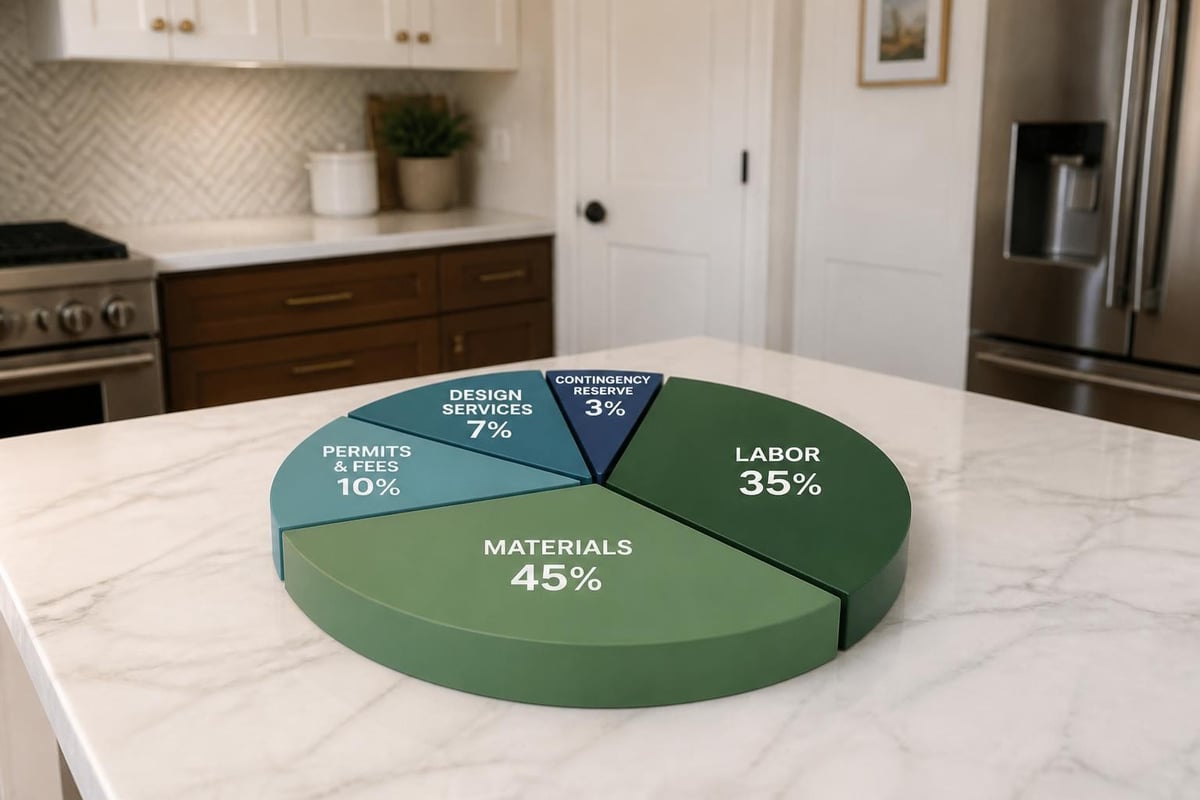
Every remodeling project includes several core expense categories that together determine your total investment. Labor typically represents 40-60% of the total home remodel cost, depending on project complexity and local wage rates. In Pittsburgh's market, skilled tradespeople command competitive rates that reflect their expertise and licensing requirements.
Material costs follow closely behind, accounting for roughly 30-40% of most budgets. These expenses vary dramatically based on your finish selections, from builder-grade fixtures to premium custom options. The gap between mid-range and luxury materials can easily double or triple this portion of your budget.
Hidden Expenses That Add Up
Beyond the obvious labor and materials, several less-visible costs impact your bottom line:
- Permit fees and inspection costs mandated by local building departments
- Design and architectural fees for plans, renderings, and engineering
- Structural remediation uncovered during demolition
- Temporary living arrangements during major whole-home projects
- Waste removal and disposal for demolition debris
- Lead testing and abatement in pre-1978 homes as required by EPA RRP regulations
Many Pittsburgh homeowners underestimate these ancillary expenses, which can add 15-25% to the base project cost. Setting aside a contingency fund of at least 10-20% protects against unexpected discoveries common in older homes throughout neighborhoods like Lawrenceville, Bloomfield, and Shadyside.
Room-by-Room Cost Benchmarks
Different spaces come with vastly different price tags based on their complexity, size, and system requirements. Understanding these variations helps prioritize projects and allocate resources effectively.
| Room Type | Low-End Range | Mid-Range | High-End |
|---|---|---|---|
| Kitchen | $15,000-$30,000 | $35,000-$65,000 | $75,000-$150,000+ |
| Bathroom | $8,000-$15,000 | $18,000-$35,000 | $45,000-$85,000+ |
| Basement Finish | $25,000-$40,000 | $45,000-$75,000 | $85,000-$125,000+ |
| Primary Suite Addition | $75,000-$125,000 | $135,000-$225,000 | $250,000-$400,000+ |
These Pittsburgh-area ranges reflect 2026 pricing and assume standard-sized rooms with typical complexity. Your actual costs depend on existing conditions, material selections, and scope decisions.
Kitchen Remodeling Investment
Kitchens consistently rank among the most expensive rooms to remodel due to their density of fixtures, appliances, and specialized trades. A kitchen remodeling project involves coordination between cabinetmakers, plumbers, electricians, countertop fabricators, tile installers, and sometimes structural engineers.
The home remodel cost for a kitchen scales quickly with choices like custom versus semi-custom cabinetry, quartz versus marble counters, and standard versus commercial-grade appliances. Layout changes that relocate plumbing or remove walls add thousands in engineering and labor expenses.
Bathroom Renovation Pricing
Bathrooms deliver high impact per square foot but come with their own cost multipliers. Plumbing fixture quality, tile coverage area, and custom glass enclosures drive the widest price variations. A simple refresh with new fixtures and paint costs far less than a complete gut renovation with relocated plumbing lines.
Pittsburgh's older housing stock often requires updates to outdated plumbing and electrical systems during bathroom projects, adding to the baseline home remodel cost. Water damage remediation, subfloor replacement, and ventilation improvements frequently emerge during demolition in pre-1970s homes.
Factors That Influence Your Total Investment
Beyond room type and size, several project-specific variables significantly impact what you'll ultimately spend. Recognizing these factors early in planning helps set realistic expectations.
Project scope and complexity top the list of cost drivers. A cosmetic refresh requiring minimal structural work costs substantially less than a project involving load-bearing wall removal, foundation work, or major system upgrades. Each additional trade required increases coordination complexity and overall expense.
The age and condition of your home play a crucial role in final costs. Homes built before 1978 may require lead-safe work practices, while structures from any era might hide outdated wiring, asbestos insulation, or plumbing that fails modern code requirements. These discoveries transform straightforward renovations into more expensive projects.
Material Selection Impact
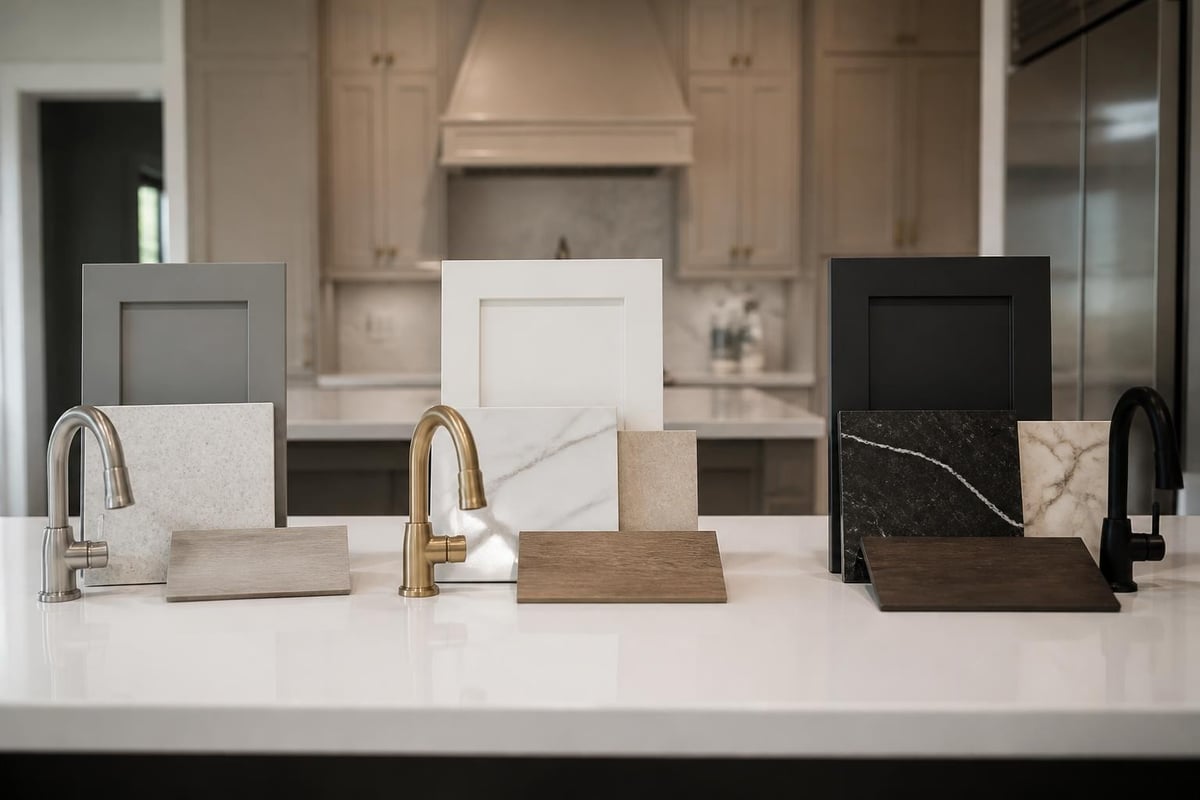
Your finish and fixture choices create the widest cost spectrum within any given project category. The difference between stock and custom cabinetry alone can shift a kitchen's price by $15,000-$40,000. Similarly, tile selections ranging from ceramic to natural stone affect bathroom costs by thousands per space.
According to industry cost data, material price volatility in 2026 continues to challenge budgeting. Supply chain improvements have stabilized some categories, but specialty items still experience longer lead times and premium pricing.
Labor and Contractor Premiums
Contractor selection dramatically affects both quality and cost outcomes. Licensed, insured contractors with established reputations command higher rates than unlicensed handymen, but they also deliver expertise, proper permitting, and warranty protection that protects your investment.
In competitive markets like Pittsburgh's established neighborhoods, demand for skilled remodelers often exceeds supply during peak building seasons. The National Association of Home Builders reports continued labor constraints affecting project timelines and pricing throughout 2026, particularly for specialized trades like finish carpentry and custom tile work.
Smart Budgeting Strategies for Homeowners
Strategic planning maximizes your remodeling dollars and minimizes financial stress during construction. Start by establishing a realistic total budget based on your home's value, available financing, and expected return on investment.
The 5-15% rule provides a useful guideline: avoid spending more than 5-15% of your home's current market value on any single remodeling project unless you plan to stay long-term. This threshold helps prevent over-improving relative to neighborhood comps while still delivering meaningful upgrades.
Research from the National Association of REALTORS® shows that certain projects deliver better cost recovery than others. Kitchen and bathroom updates typically recoup 60-80% of their cost at resale, while highly personalized spaces may return less.
Financing Your Renovation
Multiple funding options exist for homeowners planning significant remodels:
- Cash reserves avoid interest costs but require substantial liquidity
- Home equity loans or lines of credit leverage existing home value at competitive rates
- Cash-out refinancing replaces your mortgage with a larger loan at current market rates
- FHA 203(k) rehabilitation loans combine purchase and renovation financing for buyers
- Personal loans provide unsecured funding for smaller projects
The HUD 203(k) program particularly benefits buyers purchasing fixer-uppers, allowing them to finance both acquisition and renovation through a single mortgage. This approach simplifies funding for major renovations but requires working with approved contractors familiar with program requirements.
Phasing Projects to Manage Cash Flow
Not every remodel needs to happen simultaneously. Strategic phasing spreads costs across multiple years while still delivering incremental improvements to your living experience. Prioritize projects based on necessity, return on investment, and personal enjoyment.
Address critical repairs and safety issues first, including roof leaks, electrical hazards, or structural concerns. Then tackle high-impact spaces like kitchens and bathrooms that deliver daily quality-of-life benefits. Save purely aesthetic updates for later phases when budget allows.
Getting Accurate Estimates and Avoiding Surprises
Reliable cost estimates begin with detailed project definitions and thorough property assessments. Vague scopes produce vague pricing, while well-documented plans enable contractors to provide accurate, competitive bids.
Request itemized estimates that break down labor, materials, permits, and other costs separately. This transparency helps you understand where your money goes and identify potential savings opportunities through value engineering. Beware of unusually low bids that may indicate missing scope items, inferior materials, or unlicensed work.
The Value of Professional Design Consultations
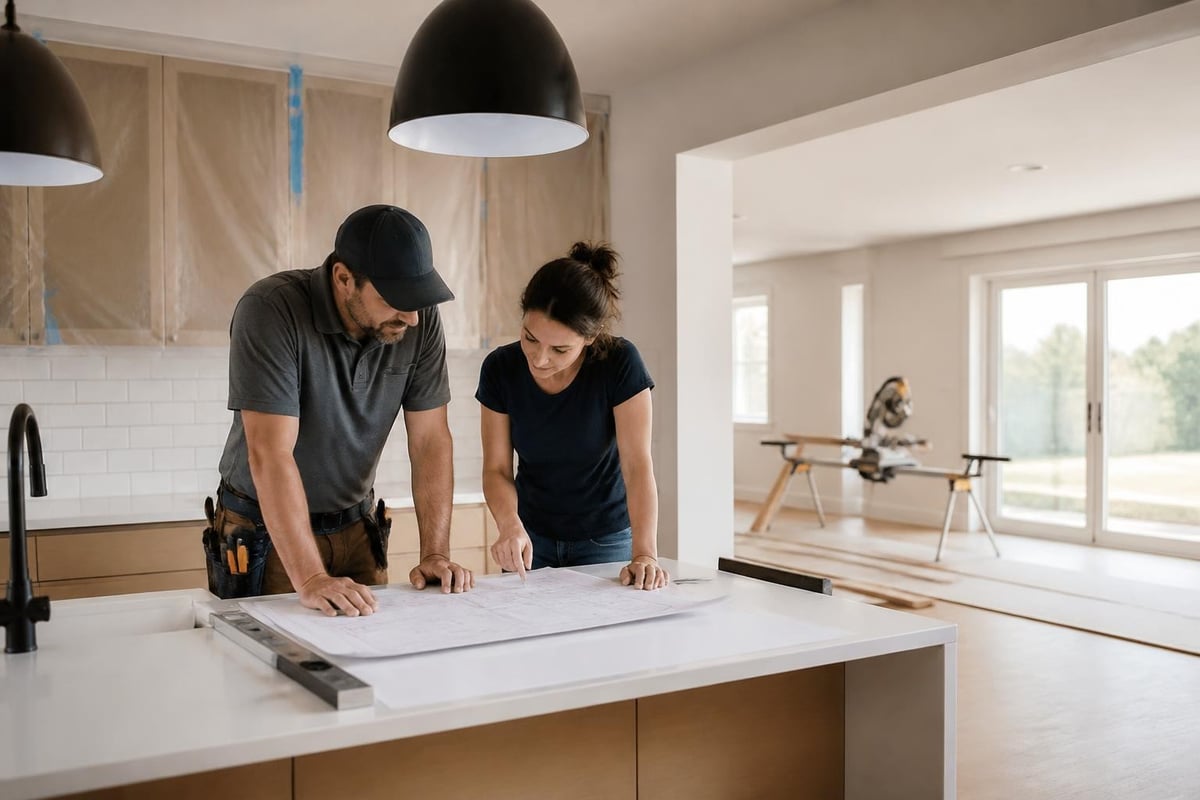
Investing in professional design services early pays dividends throughout your project. Experienced designers help you avoid costly mistakes, maximize space efficiency, and make informed material selections that balance aesthetics with budget realities. Many contractors, including those offering free design consultations with 3D renderings, provide this service to ensure alignment before construction begins.
Three-dimensional visualizations eliminate guesswork about how finished spaces will look and function. This clarity reduces expensive mid-project changes that inflate the final home remodel cost while extending timelines. Seeing your remodel before construction starts builds confidence in major decisions.
Reading the Fine Print in Contracts
Comprehensive written contracts protect both homeowners and contractors by documenting expectations, timelines, payment schedules, and change order procedures. Every agreement should clearly specify:
- Detailed scope of work including all tasks, materials, and exclusions
- Project timeline with start date, substantial completion, and final walkthrough
- Payment schedule tied to completion milestones rather than calendar dates
- Change order process governing how additional work gets priced and approved
- Warranty coverage for workmanship and materials
- Insurance and licensing verification with certificate copies attached
Never sign a contract with significant blank sections or verbal promises not reflected in writing. Reputable contractors welcome questions about contract terms and explain unfamiliar clauses clearly.
Current Market Trends Affecting 2026 Pricing
Several macroeconomic and industry-specific factors shape home remodel costs in 2026. Understanding these trends helps homeowners time projects strategically and set appropriate budget expectations.
The Harvard Joint Center for Housing Studies projects continued growth in remodeling spending as aging homeowner populations invest in aging-in-place modifications. This sustained demand supports stable pricing even as material costs moderate from pandemic-era peaks.
Energy Efficiency Incentives and Upgrades
Federal, state, and utility incentive programs significantly offset costs for energy-efficient improvements during remodels. The Department of Energy’s home upgrade programs provide tax credits and rebates for qualifying improvements including insulation, windows, heat pumps, and electrical panel upgrades.
These incentives effectively reduce the net home remodel cost for projects incorporating energy improvements. In Pennsylvania, homeowners combining multiple eligible upgrades can realize thousands in savings through stacked federal and state programs. However, documentation requirements and approved contractor lists add administrative complexity.
Supply Chain and Material Availability
Material availability has improved substantially since the acute shortages of 2022-2023, but specialty items still experience longer lead times. Custom cabinetry, high-end appliances, and imported tile require 8-16 week ordering windows in many cases, necessitating early selection and ordering to avoid construction delays.
According to market analysis from Zillow, updated homes command significant premiums in tight housing markets where inventory remains constrained. This dynamic supports renovation investment, particularly for homeowners planning to sell within 3-5 years.
Regional Considerations for Pittsburgh Homeowners
Local market conditions, building code requirements, and housing stock characteristics create region-specific cost factors that national averages don't capture. Pittsburgh's unique attributes influence project pricing and planning.
The area's older housing stock means many renovation projects encounter outdated systems requiring modernization. Knob-and-tube wiring, cast-iron plumbing, and inadequate insulation commonly appear in homes throughout Highland Park, Penn Hills, and other established communities, adding scope beyond cosmetic updates.
Pittsburgh's hilly terrain and variable soil conditions occasionally complicate foundation work for additions and basement conversions. Site access challenges in densely built neighborhoods like Shadyside can increase labor costs when material delivery requires extra handling or special equipment.
Permit and Inspection Requirements
Local building departments enforce codes protecting safety and property values, requiring permits for most structural, electrical, plumbing, and mechanical work. Permit fees vary by project scope but typically range from $200-$2,000 for residential remodels. These costs represent a small fraction of total project budgets while ensuring work meets minimum standards.
Inspection processes add timeline considerations but catch problems before they become expensive failures. Working with licensed contractors familiar with local requirements streamlines approval processes and reduces delay risks. Many municipalities now offer online permit status tracking and digital plan submittal to improve efficiency.
Maximizing Value from Your Renovation Investment
Strategic decision-making throughout planning and execution helps stretch budgets further while delivering spaces you'll love for years. Focus spending on elements you interact with daily while finding smart savings in less visible components.
Splurge on quality where it matters most: durable flooring in high-traffic areas, reliable plumbing fixtures that will withstand daily use, and professional installation of complex systems like tile work or cabinetry. These investments pay dividends through longevity and performance.
Save strategically on items easily updated later, including paint colors, cabinet hardware, light fixtures, and decorative accessories. These elements significantly impact aesthetics but can be refreshed inexpensively when tastes change or trends evolve.
Avoiding Common Budget-Busting Mistakes
Several predictable pitfalls inflate the final home remodel cost beyond initial projections. Recognizing these patterns helps you avoid them:
- Scope creep through continuous additions and upgrades during construction
- Inadequate contingency reserves leaving no buffer for discoveries or changes
- DIY overconfidence leading to costly repairs of amateur work
- Delayed decision-making that stalls contractors and extends project duration
- Fixture and finish selection delays that force expensive rush orders
- Skipping proper planning to save design fees, resulting in expensive changes later
The most successful projects maintain clear scopes, make timely selections, and resist the temptation to continually expand work once construction begins. Changes during construction typically cost 2-3 times more than including those items in original plans.
Working with Your Contractor Team
Strong contractor relationships built on clear communication and mutual respect produce better outcomes at fair prices. Treat your remodeling team as partners working toward shared goals rather than adversaries to be managed.
Respond promptly to contractor questions about selections, changes, or unforeseen conditions. Delays in homeowner decision-making extend timelines and may incur additional costs when crews must demobilize and return later. Maintaining project momentum keeps labor costs efficient and completion dates on track.
For major projects like whole-home remodeling, establish a regular communication cadence through weekly meetings or progress updates. This rhythm ensures everyone stays aligned, questions get answered quickly, and small issues don't escalate into major problems.
Planning a successful home remodel requires understanding the many factors that influence total investment, from labor and materials to permits and hidden conditions. By establishing realistic budgets, prioritizing strategically, and working with experienced professionals, Pittsburgh homeowners can achieve their renovation goals while managing costs effectively. Whether you're updating a single bathroom or transforming your entire home, L&C Builders brings licensed expertise, transparent pricing, and proven processes to projects throughout Pittsburgh and surrounding communities like Lawrenceville, Bloomfield, and Fox Chapel. Our free in-home design consultations and 3D renderings help you visualize your investment before construction begins, backed by our 100% satisfaction guarantee.


