
Your home's exterior is the first impression visitors and potential buyers see, but a house exterior renovation goes far beyond curb appeal. Updating siding, roofing, windows, doors, and landscaping protects your investment, improves energy efficiency, and can dramatically increase property value. Whether you're addressing aging materials, storm damage, or simply ready for a fresh look, understanding the scope, costs, and best practices ensures your project delivers lasting results. Pittsburgh homeowners face unique challenges from freeze-thaw cycles, snow loads, and humidity that make strategic exterior upgrades particularly important.
Planning Your House Exterior Renovation Project
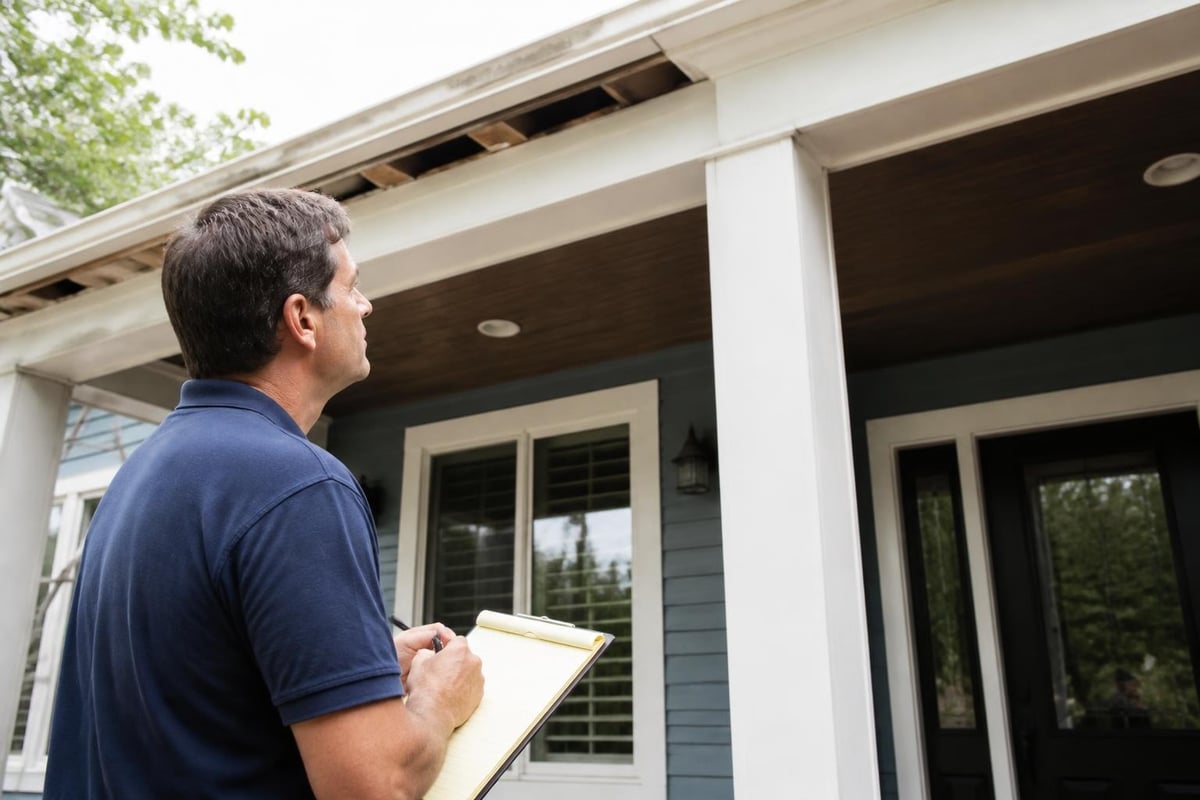
Every successful house exterior renovation begins with thorough planning and clear priorities. Start by walking the full perimeter of your home with a notepad, documenting issues like peeling paint, cracked siding, damaged trim, or sagging gutters. Look up at the roofline for missing shingles or deteriorated flashing. Check foundation walls for cracks, spalling concrete, or signs of water intrusion.
Establishing Budget and Timeline
Exterior projects vary widely in cost depending on scope and materials. A complete house exterior renovation involving new siding, roofing, windows, doors, and trim can range from $40,000 to over $150,000 for a typical single-family home. Smaller focused projects like repainting or replacing one facade element cost substantially less.
| Project Component | Typical Cost Range | Timeline |
|---|---|---|
| Full siding replacement | $8,000 – $30,000 | 1-3 weeks |
| Roof replacement | $8,000 – $25,000 | 3-7 days |
| Window replacement (10-15 units) | $5,000 – $15,000 | 1-2 weeks |
| Exterior painting | $3,500 – $12,000 | 1-2 weeks |
| New entry door system | $1,500 – $6,000 | 1-2 days |
Seasonal timing matters significantly in Pittsburgh's climate. Schedule major exterior work between late April and October when temperatures stay consistently above 50°F and rain is less frequent. Paint and caulk require specific temperature ranges to cure properly, and roofing adhesives perform poorly in cold weather.
Understanding Permits and Regulations
Most house exterior renovation work requires building permits, especially when you're replacing structural elements, changing rooflines, or altering window sizes. Contact your local building department early in planning to understand requirements. Historic districts impose additional restrictions on materials, colors, and design changes. The Secretary of the Interior’s Standards provide guidance for maintaining the character of historic properties while making necessary improvements.
Siding Options and Installation Considerations
Siding serves as your home's primary weather barrier while defining its architectural character. Modern house exterior renovation projects offer numerous siding materials, each with distinct advantages, maintenance needs, and lifespans.
Vinyl siding remains the most popular choice due to affordability ($3-$8 per square foot installed) and virtually no maintenance requirements. Quality varies significantly: premium vinyl features thicker profiles, fade-resistant colorants, and enhanced impact resistance. Look for products with lifetime warranties and minimum .044-inch thickness.
Fiber cement siding offers superior durability and fire resistance at $6-$12 per square foot installed. This engineered product resists rot, insects, and impact damage while accepting paint beautifully. Fiber cement requires repainting every 10-15 years but can last 50+ years with proper maintenance. The material's weight requires adequate fastening and sometimes structural reinforcement.
Wood siding (cedar, redwood, or pine) delivers authentic character and natural beauty at $8-$15 per square foot. Wood demands regular staining or painting every 3-7 years and vigilant maintenance to prevent rot and insect damage. For historic home renovations, wood may be the only appropriate choice to maintain architectural integrity.
Proper Installation and Moisture Management
Siding installation quality determines long-term performance far more than material choice alone. Building science fundamentals require a drainage plane (housewrap or building paper) behind siding to shed water that penetrates the outer layer. Proper flashing details around windows and doors prevent the majority of water intrusion problems.
Common installation mistakes include:
- Nailing siding too tightly (restricts thermal expansion)
- Inadequate clearance above grade or horizontal surfaces
- Missing or improperly lapped flashing at transitions
- Insufficient ventilation behind siding (causes moisture accumulation)
- Using incorrect fasteners for the material
Working with experienced contractors who understand these principles prevents costly callbacks and premature failure. A professional exterior house painting service recognizes when underlying siding damage requires attention before applying new coatings.
Roofing Replacement and Upgrades
Your roof shields everything below from weather extremes, making it a critical component of any comprehensive house exterior renovation. Most asphalt shingle roofs last 20-30 years depending on quality, ventilation, and exposure. Warning signs that replacement is overdue include widespread granule loss, curling or cupped shingles, daylight visible through roof boards, or multiple active leaks. For a split level home, our guide to split level exterior remodel covers roof and rooftop upgrades specific to that layout.
Selecting Roofing Materials
Asphalt shingles dominate residential roofing due to cost-effectiveness ($3.50-$5.50 per square foot installed) and straightforward installation. Three-tab shingles are the economy option, while architectural (dimensional) shingles offer superior wind resistance, longer warranties, and enhanced curb appeal. Premium "designer" shingles mimic slate or wood shake at a fraction of the cost.
Metal roofing has gained popularity for longevity (40-70 years), energy efficiency, and modern aesthetics at $7-$14 per square foot installed. Standing-seam metal roofs shed snow effectively and reflect solar heat, reducing cooling costs. Aluminum, steel, and copper each offer different benefits regarding weight, corrosion resistance, and appearance.
Slate and clay tile deliver unmatched durability (75-100+ years) and distinctive character but require structural verification due to extreme weight. These premium materials cost $15-$30+ per square foot installed and demand specialized installation expertise. The National Roofing Contractors Association guidelines provide technical resources for understanding proper installation of various roofing systems.
| Roofing Material | Lifespan | Cost/Sq Ft | Best For |
|---|---|---|---|
| 3-tab asphalt | 20-25 years | $3.50-$4.50 | Budget-conscious projects |
| Architectural asphalt | 25-30 years | $4.50-$5.50 | Standard residential |
| Metal (standing seam) | 40-70 years | $7-$14 | Energy efficiency, longevity |
| Slate | 75-100+ years | $15-$30+ | Historic homes, premium |
Underlayment and Ventilation
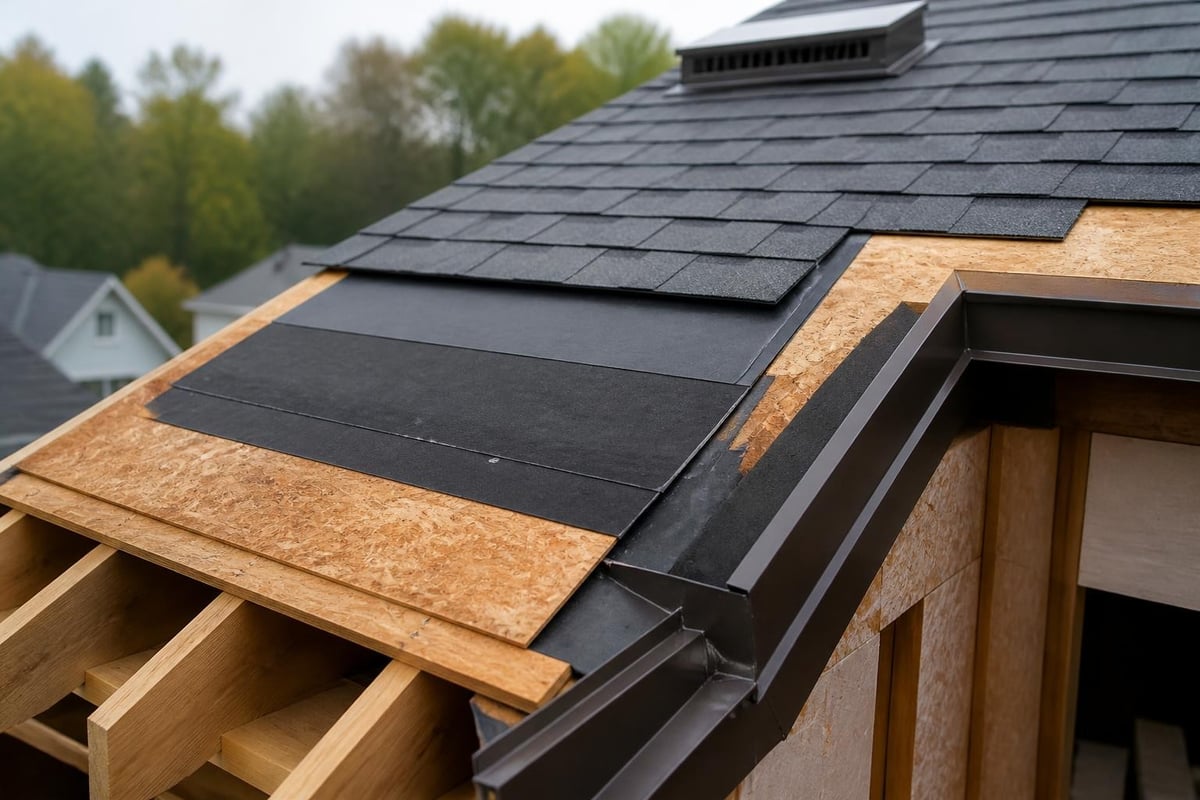
The unseen components beneath roofing materials determine system performance and longevity. Synthetic underlayment has largely replaced traditional felt paper, offering superior tear resistance, moisture protection, and UV stability during installation delays. Ice-and-water shield (self-adhering membrane) is essential in valleys, along eaves, and around penetrations in cold climates like Pittsburgh.
Proper attic ventilation prevents ice dams, premature shingle aging, and moisture accumulation. Calculate ventilation needs based on attic square footage (1 square foot of net free ventilation area per 150 square feet of attic space is standard). Balance intake vents (soffit or edge) with exhaust vents (ridge, gable, or roof-mounted) for optimal airflow.
Window and Door Replacement Strategies
Windows and doors represent significant thermal weak points in your building envelope while framing views and controlling access. A strategic house exterior renovation addresses these elements to improve energy performance, security, and aesthetics simultaneously.
Energy-Efficient Window Selection
Modern windows feature multiple technologies that reduce heat transfer and improve comfort. Low-emissivity (low-E) coatings reflect infrared energy while allowing visible light transmission, reducing summer cooling loads and winter heat loss. Double-pane units filled with argon or krypton gas provide significantly better insulation than single-pane or air-filled alternatives.
The National Fenestration Rating Council (NFRC) label shows three key performance metrics: U-factor (heat transfer rate, lower is better), Solar Heat Gain Coefficient (SHGC, lower reduces cooling costs in warm climates), and Visible Transmittance (VT, how much light passes through). For Pittsburgh's climate, target U-factors below 0.30 and moderate SHGC values (0.25-0.40) that balance heating and cooling seasons.
Frame materials impact performance, maintenance, and cost:
- Vinyl frames: Low cost, no painting required, good insulation value
- Fiberglass frames: Superior strength and stability, excellent insulation, premium price
- Wood frames: Classic appearance, excellent insulation when maintained, requires painting/staining
- Aluminum-clad wood: Weather-resistant exterior, wood interior, moderate maintenance
Proper Installation and Flashing
Even the highest-performance window fails if improperly installed. Windows must be plumb, level, and square within the rough opening, with consistent gaps for insulation. Low-expansion foam or fiberglass insulation fills the gap between jambs and framing without distorting the frame.
Exterior flashing creates a weathertight seal that sheds water away from the opening. Pan flashing at the sill catches any water that penetrates and directs it outward. Head and jamb flashing integrate with the drainage plane and are properly lapped to prevent water entry. These details follow building science principles that prevent the majority of window leaks.
Entry door systems combine security, weather resistance, and aesthetic impact. Fiberglass and steel doors offer excellent security and insulation with minimal maintenance, while solid wood doors provide traditional appeal requiring periodic refinishing. Consider installing storm doors for added insulation and protection of decorative entry doors.
Foundation and Masonry Repairs
Foundation and masonry issues compromise structural integrity and create pathways for water intrusion. Most house exterior renovation projects uncover some foundation concerns that require attention before cosmetic improvements proceed.
Common Foundation Problems
Settlement cracks wider than 1/4 inch, horizontal cracks, or stair-step cracks in masonry walls indicate significant structural movement requiring professional evaluation. Minor hairline cracks from normal curing and settlement can be sealed with appropriate repair compounds. Look for signs of water intrusion like efflorescence (white mineral deposits), staining, or spalling (surface flaking).
Grading and drainage prevent many foundation problems. Soil should slope away from the foundation at minimum 6 inches drop over the first 10 feet. Downspouts must discharge at least 5-10 feet from the foundation, preferably into underground drainage systems. The EPA’s green infrastructure guidance offers sustainable approaches to managing roof runoff through rain gardens and permeable surfaces.
Concrete repair techniques depend on damage severity and type. Surface repairs use polymer-modified patching compounds or cement-based resurfacers. Deeper structural repairs may require epoxy injection, carbon fiber reinforcement, or complete section replacement. The American Concrete Institute provides comprehensive guidance on concrete repair evaluation and methods.
Brick and Stone Restoration
Masonry facades require periodic repointing (replacing deteriorated mortar joints) to maintain weather resistance and structural integrity. Never use mortar harder than the original units: portland cement mortar damages soft historic brick through differential thermal expansion. Match original mortar type (usually lime-based in structures built before 1930) in composition, strength, and color.
Tuckpointing involves removing failed mortar to appropriate depth (2-3 times joint width, minimum 3/4 inch), cleaning joints thoroughly, and filling with compatible new mortar in layers. Proper curing (keeping mortar damp for several days) ensures strength development and prevents premature failure.
Exterior Painting and Finishing
Fresh exterior paint transforms appearance while protecting siding, trim, and details from weather damage. A comprehensive house exterior renovation often culminates in new paint that unifies all the updated elements into a cohesive design.
Surface Preparation
Preparation determines paint longevity far more than product quality. Proper prep includes power washing to remove dirt, mildew, and loose paint; scraping and sanding remaining loose or peeling coatings; priming bare wood or stained areas with appropriate primers; and caulking gaps around trim, windows, and penetrations with paintable sealant.
Different substrates require specific primers: oil-based primers for bleeding woods (redwood, cedar) and stain blocking; bonding primers for glossy or hard-to-coat surfaces; masonry primers for concrete and brick. Skipping primer or using incorrect types causes premature failure regardless of topcoat quality.
Paint Selection and Application
High-quality 100% acrylic latex paints deliver the best durability, color retention, and flexibility for most applications. Look for paints with Volume Solids above 35% (higher pigment and binder content equals better coverage and longevity). Dark colors require special fade-resistant formulations to prevent rapid chalking and color shift.
Application method affects results significantly:
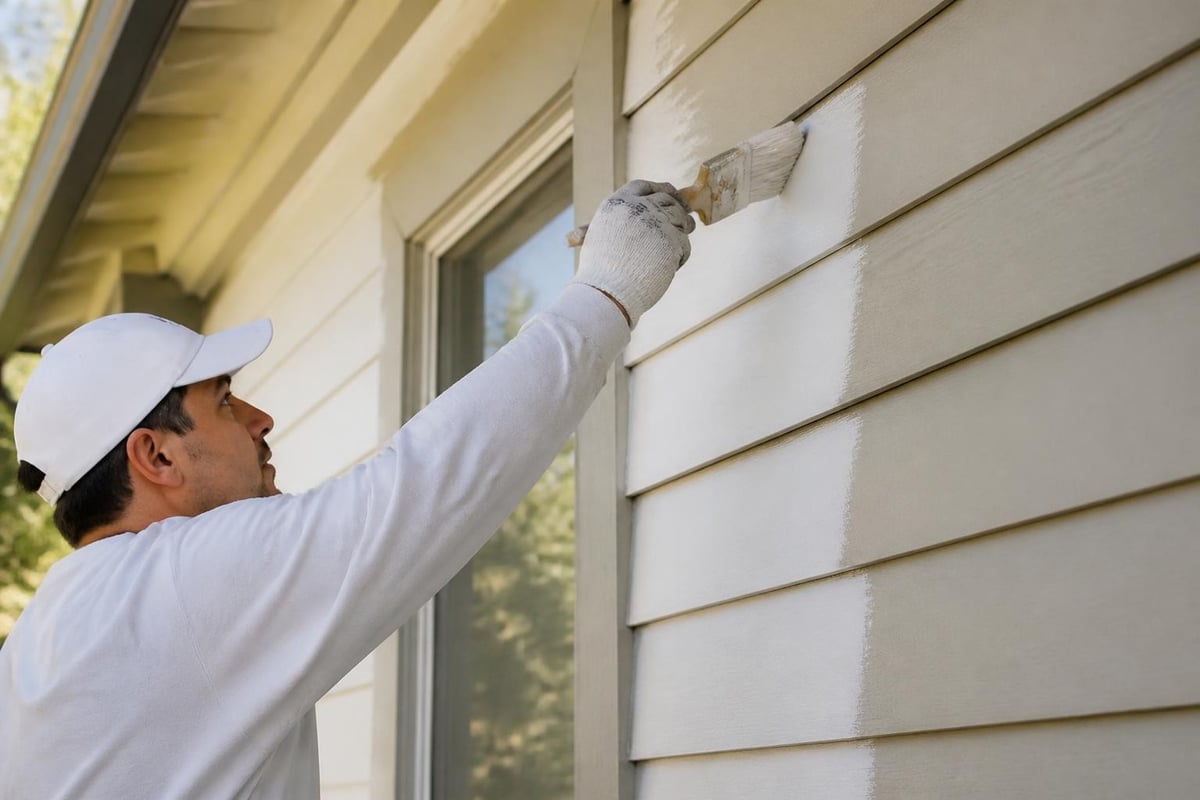
- Brush application: Best for trim, detail work, and traditional lap siding
- Roller application: Efficient for large flat areas, produces consistent texture
- Spray application: Fastest coverage, reaches textured surfaces well, requires masking
Professional painting timing follows manufacturer temperature and humidity specifications strictly. Most exterior paints require surface and air temperatures above 50°F with low humidity for proper film formation. The American Coatings Association provides technical resources on coating performance and selection criteria.
Professional home remodeling contractors understand how exterior painting integrates with siding repairs, trim replacement, and overall aesthetic goals to create cohesive results that protect your investment.
Landscaping and Hardscaping Integration
The transition between your home and surrounding landscape significantly impacts curb appeal and functionality. Strategic house exterior renovation considers how plantings, walkways, patios, and drainage features complement architectural improvements.
Foundation Plantings and Bed Design
Foundation plantings soften the transition between structure and ground while adding seasonal color and texture. Maintain adequate clearance: plants should sit at least 18-24 inches from siding to allow air circulation, prevent moisture accumulation, and provide access for maintenance. Choose plants suited to each location's sun exposure, moisture levels, and mature size.
Layered plantings create visual depth through varied heights and bloom times. Place taller shrubs at corners and between windows, with medium-height plants filling spaces and low groundcovers or perennials defining bed edges. The University of Florida IFAS high-performing landscapes standards offer research-based guidance for plant selection and landscape design that complements home improvements.
Mulch beds 2-3 inches deep (4-6 inches for tree rings) to suppress weeds, retain moisture, and regulate soil temperature. Use hardwood mulch, pine bark, or decorative stone depending on aesthetic preferences and maintenance tolerance. Edge beds cleanly with metal, plastic, or stone edging for defined, professional appearance.
Walkways, Patios, and Outdoor Living Spaces
Hardscaping elements provide functional circulation while extending living space outdoors. Concrete walkways and patios offer durability and design flexibility at $6-$12 per square foot. Stamped or colored concrete mimics stone or brick at lower cost but requires periodic sealing for stain resistance.
Natural stone (flagstone, bluestone, slate) delivers premium aesthetics and excellent longevity at $15-$30+ per square foot installed. Pavers (concrete or clay) combine pattern flexibility, repairability, and permeable options for sustainable drainage at $10-$25 per square foot.
All hardscaping requires proper base preparation: 4-6 inches of compacted gravel base prevents settling and provides drainage beneath the surface layer. Slope all paved surfaces minimum 1/4 inch per foot away from structures to shed water effectively.
Energy Efficiency Improvements and Incentives
Modern house exterior renovation prioritizes energy performance alongside aesthetics and durability. Air sealing and insulation improvements can reduce heating and cooling costs by 15-30% while improving comfort year-round. The Department of Energy provides guidance on air sealing best practices and available tax credits for energy-efficient exterior upgrades.
Envelope Upgrades
The building envelope (roof, walls, foundation, windows, doors) separates conditioned interior space from outdoor conditions. Minimizing air leakage through this boundary reduces energy waste and prevents moisture problems. Common leakage points include:
- Window and door perimeters (seal with appropriate caulk or weatherstripping)
- Rim joists where floor framing meets foundation (foam or fiberglass insulation)
- Penetrations for utilities, vents, and exhaust fans (seal with expanding foam or caulk)
- Attic hatches and recessed lights (weatherstrip or replace with airtight fixtures)
Adding insulation improves thermal resistance but provides limited benefit without addressing air leakage first. Walls can receive blown-in insulation through small holes drilled from outside, then patched and painted. This approach adds R-13 to R-15 to uninsulated walls without interior disruption.
Tax Credits and Rebates
The federal Energy Efficient Home Improvement Credit (25C) offers tax credits covering 30% of eligible improvements including windows, doors, insulation, and air sealing, up to annual limits. Many states and utilities offer additional rebates for energy-efficient upgrades. Research available incentives before finalizing project scope to maximize financial benefits.
High-performance upgrades often pay for themselves through reduced energy costs over their lifetime. Energy modeling can quantify expected savings and help prioritize improvements with the best return on investment for your specific situation and climate.
Selecting and Working With Contractors
Complex house exterior renovation projects require licensed professionals with proper insurance, relevant experience, and strong reputations. Request multiple detailed quotes that specify materials by brand and model, scope of work, payment schedules, and timeline. The lowest bid often reflects shortcuts or inadequate scope rather than good value.
Verify contractor credentials including:
- Active contractor license and license number
- General liability insurance (minimum $1 million coverage)
- Workers' compensation insurance (protects you from injury liability)
- References from recent similar projects
- Better Business Bureau rating and complaint history
Review contracts carefully before signing. Ensure the agreement includes detailed scope, specific materials, start and completion dates, payment schedule tied to milestones, change order procedures, warranty terms, and lien release requirements. Never pay the full amount upfront: typical payment schedules are 10-30% deposit, progress payments at defined milestones, and 10% final payment upon satisfactory completion.
Experienced contractors provide realistic timelines that account for material delivery, weather delays, and inspection requirements. Consumer Reports’ roofing guide offers consumer-focused advice on selecting roofing contractors and understanding the decision factors for major exterior projects.
For homeowners planning extensive updates, professional free design consultations and 3D renderings help visualize how different material choices, colors, and design elements work together before committing to final decisions and starting construction work.
Material Selection for Pittsburgh's Climate
Pittsburgh's four-season climate with cold winters, humid summers, and significant precipitation demands durable, weather-resistant materials for long-term house exterior renovation success. Freeze-thaw cycles are particularly hard on masonry, concrete, and exterior coatings. Ice dams form when inadequate insulation and ventilation allow heat loss that melts roof snow, which refreezes at eaves.
Climate-Appropriate Choices
Select materials rated for freeze-thaw resistance in masonry and concrete applications. Use premium exterior caulks and sealants (polyurethane or tripolymer formulations) that remain flexible across temperature extremes rather than brittle cheaper products that crack within seasons.
Ventilation prevents moisture accumulation that causes rot, mold, and premature coating failure. Ensure adequate soffit and ridge venting for roof assemblies, provide ventilation gaps behind fiber cement and engineered wood siding, and install proper flashing and drainage planes to shed bulk water before it can penetrate assemblies.
Pittsburgh's trees create beautiful canopy streets but also deposit organic debris that retains moisture against siding and roofing. Plan for accessible gutters requiring frequent cleaning, consider gutter guards where feasible, and choose mildew-resistant paint formulations with antimicrobial additives for shaded elevations.
A thoughtful house exterior renovation protects your home from the elements, reduces operating costs, and creates pride of ownership through enhanced curb appeal that makes coming home a pleasure. Whether you're planning a complete transformation or targeted improvements, success requires understanding materials, proper installation, and how all elements work together. L&C Builders brings licensed expertise, detailed planning, and quality execution to exterior renovations throughout the Pittsburgh area, backed by our 100% satisfaction guarantee and free design consultations that help homeowners visualize their project before work begins.


